Understanding how sexual education has evolved alongside changing cultural attitudes offers valuable insight into our society’s growth and challenges.
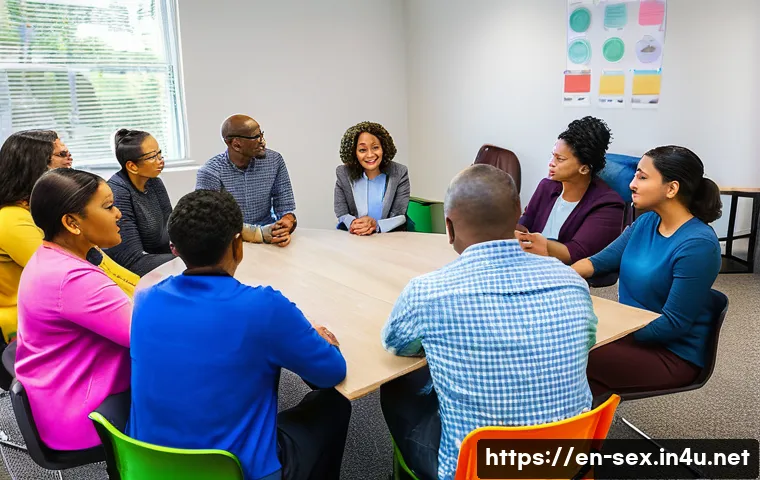
From ancient customs to modern approaches, the way we discuss and teach about sex reflects deeper shifts in values, knowledge, and openness. This journey reveals not only how information is shared but also how people’s perspectives on intimacy and health have transformed.
Exploring these historical changes helps us appreciate the progress made and the work still ahead. Let’s dive deeper into this fascinating topic and uncover what it means for us today!
The Shifting Landscape of Sexual Knowledge Through Ages
From Taboo to Talk: Early Attitudes Toward Sexuality
In ancient times, sexuality was often cloaked in mystery and ritual, tied closely to religious beliefs and social order. Many cultures treated sex as a sacred act, yet open discussion was limited to certain contexts or classes.
For example, some indigenous societies embraced sexuality as a natural and integral part of life, while others imposed strict moral codes that cast it into the shadows.
What fascinates me is how these early restrictions often stemmed less from ignorance and more from the desire to control social structures and lineage.
This blend of reverence and repression created a complex foundation for how societies would later approach sexual education—or the lack thereof.
Enlightenment and the Dawn of Scientific Inquiry
Fast forward to the Enlightenment period, when curiosity and empirical thought began to challenge old taboos. Sexuality started to be examined through the lens of biology and medicine rather than solely morality or religion.
I find it intriguing how this shift slowly paved the way for more factual and less judgmental conversations about sex. Texts began to circulate that discussed human anatomy, reproduction, and hygiene in ways accessible to a broader audience.
Still, despite these advances, many societies clung to prudish attitudes, often leaving a gap between knowledge and social acceptance that persists in some places today.
The Intersection of Culture and Sexual Norms
Cultural differences play a huge role in how sexual knowledge is transmitted. For example, in some European countries, open conversations about sex and contraception have been normalized for decades, while in more conservative societies, such topics remain taboo even in modern times.
I’ve noticed that these cultural attitudes deeply influence the design and content of sexual education programs, making a one-size-fits-all approach ineffective.
Understanding the cultural lens through which sex is viewed helps explain why progress in sexual education is uneven globally, and why sensitivity to local values is crucial when implementing new curricula.
Modern Sexual Education: Navigating Openness and Boundaries
Comprehensive vs. Abstinence-Only Education
Today, sexual education debates often center around the contrast between comprehensive programs and abstinence-only teachings. Comprehensive education includes information about contraception, consent, LGBTQ+ issues, and sexual health, aiming to equip students with knowledge to make informed decisions.
From my experience discussing these topics with educators and parents, comprehensive approaches tend to lead to healthier outcomes—lower rates of teen pregnancy and sexually transmitted infections, for instance.
Abstinence-only programs, while emphasizing the value of waiting, often lack critical information, which can leave young people unprepared. It’s a tricky balance because cultural and religious beliefs heavily influence which approach is favored in different regions.
The Role of Technology and Media in Shaping Understanding
The explosion of the internet and social media has radically transformed access to sexual information. On one hand, young people today can find a wealth of resources, from educational videos to peer support groups, often in real time.
On the other hand, misinformation and harmful stereotypes spread just as quickly. I’ve personally seen how digital platforms can empower individuals to learn about their bodies and identities in ways previous generations couldn’t.
Yet, this also raises questions about quality control and the need for guidance in navigating reliable sources. The challenge is fostering digital literacy alongside sexual education to maximize benefits and minimize risks.
Parental and Community Involvement
Sexual education doesn’t happen in a vacuum—it’s deeply influenced by family and community attitudes. Parents’ comfort levels and communication styles can either enhance or hinder young people’s understanding.
I recall conversations with parents who felt unprepared or awkward discussing sex, which made me realize how vital support and resources are for adults too.
Community norms, including religious and cultural values, also shape what is considered appropriate to teach and when. Successful programs often engage parents and community leaders to build trust and create a supportive environment where young people feel safe to ask questions and express concerns.
Challenges and Controversies in Today’s Sexual Education
Addressing Diversity and Inclusion
One of the biggest challenges in modern sexual education is ensuring inclusivity. For many years, curricula primarily reflected heterosexual, cisgender perspectives, leaving LGBTQ+ students without relevant or affirming information.
From what I’ve observed, this exclusion can contribute to feelings of isolation and misunderstanding among young people. Recently, more educators and activists have pushed for inclusive content that respects all identities and experiences.
This shift is crucial not only for individual well-being but also for fostering empathy and reducing stigma in society. However, backlash from conservative groups often complicates progress, making it an ongoing battle.
Balancing Privacy with Public Health
Sexual education must walk a fine line between respecting individual privacy and promoting public health goals. Topics like contraception, abortion, and sexually transmitted infections are sensitive but essential.
Through my discussions with health professionals, I’ve learned that transparency and honesty are key to effective education, but they must be handled with care to avoid alienating students or parents.
Confidentiality and trust are especially important when addressing topics such as sexual orientation or experiences of abuse. Ensuring safe spaces within educational settings encourages openness and can prevent misinformation and risky behaviors.
Legal and Policy Barriers
Legal frameworks significantly impact what can be taught in schools. In some regions, restrictive laws limit the scope of sexual education or require parental consent, which can hinder access for vulnerable groups.
I’ve seen firsthand how these policies sometimes reflect political agendas more than evidence-based practices. Advocates argue that comprehensive sexual education should be recognized as a fundamental right and essential for public health.
Navigating these legal landscapes requires collaboration between educators, policymakers, and communities to create environments where accurate and respectful sexual education is accessible to all.
Historical Shifts in Gender Roles and Their Impact on Sexual Education
Changing Expectations of Masculinity and Femininity
Gender norms have evolved significantly, influencing how sexual education addresses topics like consent, relationships, and body image. In earlier eras, rigid roles often defined men as dominant and women as submissive, which shaped educational content and societal messages about sexuality.
From my own observations, challenging these stereotypes is crucial for promoting healthier, more equitable relationships. Modern programs increasingly incorporate discussions about toxic masculinity, gender identity, and respect, aiming to dismantle harmful norms that contribute to violence and misunderstanding.
Empowering Women and Girls
The rise of feminist movements has played a pivotal role in transforming sexual education. Empowering girls with knowledge about their bodies, rights, and choices has been a game-changer.
I recall stories from educators who emphasize that when girls receive comprehensive information, they gain confidence and agency, which positively affects their health and futures.
This empowerment also challenges traditional power dynamics in relationships and society at large. However, disparities remain in many parts of the world, where gender inequality still restricts access to education and reproductive healthcare.
Recognizing Non-Binary and Transgender Perspectives
Acknowledging and including non-binary and transgender experiences in sexual education is a relatively recent but essential development. These identities challenge binary views of gender and sexuality, encouraging a more nuanced understanding.
I’ve noticed that when curricula embrace diversity, it fosters greater acceptance and reduces bullying and mental health issues among LGBTQ+ youth. Educators often need additional training to feel confident addressing these topics sensitively and accurately, which underscores the importance of ongoing professional development.
Global Comparisons: How Different Societies Approach Sexual Education
Progressive Models in Northern Europe
Countries like the Netherlands, Sweden, and Denmark often serve as models for progressive sexual education. These nations emphasize early, age-appropriate, and comprehensive curricula that include discussions about emotions, relationships, and respect alongside biological facts.
I’ve read numerous reports highlighting how this approach correlates with lower rates of teen pregnancy and sexually transmitted infections. The openness and normalization of sexual topics in these societies reflect broader cultural attitudes toward individual autonomy and gender equality.
Conservative Approaches in Other Regions
Conversely, many regions in the United States, parts of the Middle East, and Africa maintain more conservative or abstinence-focused programs. Cultural, religious, and political factors heavily influence these policies, often prioritizing moral instruction over practical knowledge.
I’ve encountered parents and educators who support these approaches out of genuine concern for preserving community values, though sometimes at the expense of comprehensive understanding.
This divergence illustrates the tension between tradition and modern public health imperatives.
The Role of International Organizations
Organizations like the World Health Organization (WHO) and UNESCO have been instrumental in promoting sexual education standards worldwide. They advocate for rights-based, inclusive, and scientifically accurate curricula.
From what I’ve seen, their guidelines serve as valuable benchmarks for countries seeking to improve or establish sexual education programs. However, implementation varies widely depending on local politics, resources, and cultural acceptance, highlighting the complexity of global efforts to improve sexual health education.
Key Milestones in Sexual Education History
| Era | Major Developments | Impact on Society |
|---|---|---|
| Ancient Civilizations | Rituals and limited knowledge sharing within social classes | Sexuality tied to religious and social structures; limited openness |
| Enlightenment | Scientific inquiry into human anatomy and reproduction | Slow shift toward factual knowledge, yet moral restrictions persisted |
| Early 20th Century | Introduction of public health campaigns and sex manuals | Increased awareness but still stigmatized; focus on disease prevention |
| Post-1960s Sexual Revolution | Comprehensive education, contraception access, and sexual rights movements | Greater openness and acceptance; emergence of diverse perspectives |
| 21st Century | Inclusive, technology-driven, and rights-based sexual education | Focus on diversity, consent, and digital literacy alongside health |
The Future Directions of Sexual Education
Integrating Emotional Intelligence and Relationship Skills
Looking ahead, sexual education is moving beyond biological facts to include emotional and relational skills. From my conversations with educators, there is growing recognition that understanding consent, communication, and empathy is just as vital as knowing about contraception.
Teaching young people how to navigate complex emotional landscapes prepares them for healthier and more respectful relationships. This holistic approach reflects a broader shift towards mental and social well-being as integral parts of sexual health.
Utilizing Innovative Technologies
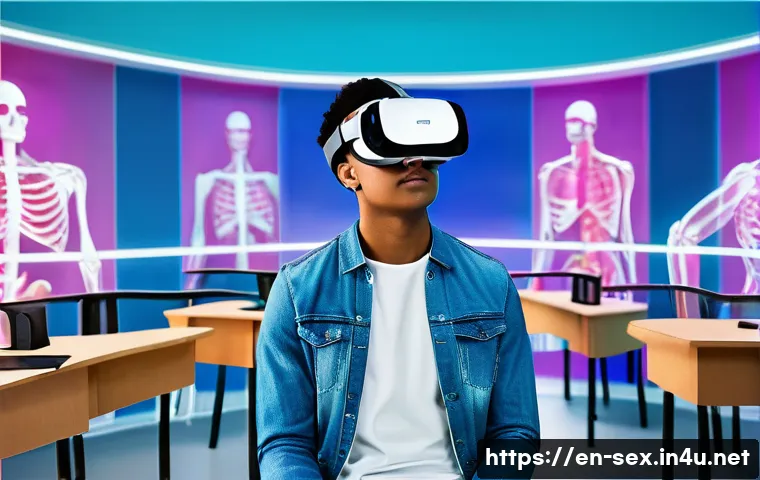
Virtual reality, apps, and interactive online platforms are beginning to revolutionize how sexual education is delivered. I’ve experimented with some of these tools and found that immersive experiences can engage students in ways traditional methods often cannot.
For example, VR can simulate scenarios that teach consent or anatomy with sensitivity and privacy. These technologies offer exciting possibilities but also require careful design to ensure accuracy and appropriateness for different age groups.
Global Collaboration and Cultural Sensitivity
The future also depends on global cooperation that respects cultural diversity while promoting universal human rights. I believe successful sexual education programs will be those that adapt international best practices to local contexts, involving communities in meaningful dialogue.
Balancing respect for tradition with the need for progress is delicate but essential. This inclusive and flexible approach can help bridge gaps and ensure that all young people, regardless of where they live, receive the knowledge and support they need to thrive.
Conclusion
Sexual education has evolved tremendously over the centuries, reflecting changing social values, scientific advances, and cultural attitudes. Today’s approaches emphasize inclusivity, emotional intelligence, and technological innovation to meet the diverse needs of learners. As society continues to progress, fostering open, respectful, and well-informed conversations around sexuality remains essential for healthy individuals and communities alike.
Useful Information to Keep in Mind
1. Comprehensive sexual education tends to produce better health outcomes by providing accurate, inclusive information about contraception, consent, and identity.
2. Cultural and community values greatly influence how sexual knowledge is shared and received, requiring sensitivity in educational approaches.
3. Technology offers powerful tools for engaging learners but must be paired with guidance to ensure reliability and appropriateness.
4. Including diverse gender identities and sexual orientations in curricula fosters acceptance and supports mental well-being.
5. Legal and policy frameworks can either facilitate or hinder access to quality sexual education, highlighting the need for advocacy and collaboration.
Key Takeaways
Sexual education is no longer just about biology—it encompasses emotional skills, cultural respect, and inclusivity. Effective programs balance openness with sensitivity, adapt to local contexts, and leverage technology thoughtfully. Engaging parents, communities, and policymakers is crucial to creating environments where young people feel safe and empowered to learn. Ultimately, comprehensive sexual education promotes healthier choices, stronger relationships, and greater social understanding across generations.
Frequently Asked Questions (FAQ) 📖
Q: How has sexual education evolved over time in response to changing cultural attitudes?
A: Sexual education has shifted dramatically from secretive and often taboo discussions to more open, inclusive, and evidence-based approaches. Historically, many societies either avoided the topic or passed down limited information through folklore or religious teachings.
As cultural attitudes have become more accepting of diverse identities and focused on health and consent, education has expanded to include topics like LGBTQ+ rights, safe sex practices, and emotional well-being.
This evolution mirrors society’s growing recognition that understanding sexuality is key to overall health and respectful relationships.
Q: Why is it important to understand the history of sexual education in today’s context?
A: Knowing the history helps us appreciate the progress made in breaking down stigmas and promoting informed conversations about sexuality. It also highlights the challenges that remain, such as unequal access to comprehensive education or ongoing cultural resistance.
Understanding this background allows educators, policymakers, and individuals to make better decisions about how to approach sexual education today—ensuring it’s respectful, accurate, and empowering for all communities.
Q: What are some key challenges that still affect sexual education in modern society?
A: Despite advances, many challenges persist, including cultural taboos, misinformation, and political debates over curriculum content. Some regions still restrict discussions on topics like contraception or gender identity, limiting young people’s access to vital knowledge.
Additionally, the rise of digital media means teens often turn to unreliable sources, which can lead to confusion or risky behaviors. Addressing these challenges requires ongoing efforts to create inclusive, science-based programs that engage families and communities in open dialogue.