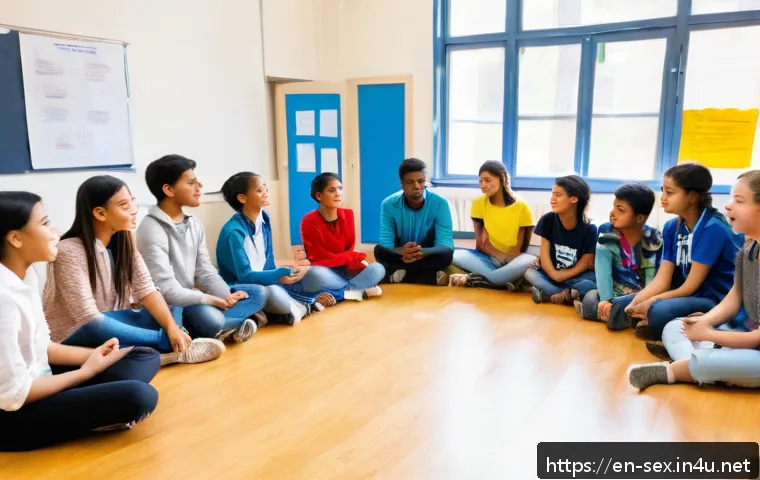
Understanding sexual education and personal expression is more important today than ever before. With evolving social norms and increasing awareness about mental and physical health, openly discussing these topics empowers individuals to make informed, confident choices.

It’s not just about biology—it’s about respect, consent, and embracing one’s identity authentically. Navigating these conversations helps build healthier relationships and a stronger sense of self.
Let’s dive in and explore these vital aspects in detail!
Building Confidence Through Open Communication
Breaking the Silence Around Personal Boundaries
It’s surprising how much power comes from simply talking about personal boundaries. When people start to express what they are comfortable with and what they’re not, it creates a foundation of respect and understanding.
I’ve noticed that friends and couples who communicate openly about their limits tend to experience less confusion and more trust. This kind of dialogue isn’t always easy at first, especially if it wasn’t modeled in childhood or previous relationships.
But once you get past the awkwardness, it can lead to a healthier, more fulfilling connection with yourself and others. Open conversations about boundaries empower you to say no without guilt and yes with enthusiasm, which is priceless in today’s complex social landscape.
The Role of Consent in Everyday Interactions
Consent isn’t just a checkbox; it’s a continuous, enthusiastic agreement that shapes every interaction. In my experience, understanding and practicing consent makes relationships feel safer and more respectful.
It’s about checking in, listening carefully, and honoring each other’s feelings without pressure. Consent also applies beyond romantic or sexual contexts—it’s about respecting personal space, emotional limits, and even digital boundaries.
People often underestimate how liberating it feels to know your choices are genuinely respected. This mindset shift changes how you approach all your relationships, allowing you to be more authentic and confident in expressing your needs.
Creating a Safe Space for Honest Discussions
One of the most valuable things I’ve learned is how crucial it is to foster environments where people feel safe sharing their true selves. Whether it’s with friends, family, or partners, encouraging openness without judgment helps dismantle shame and stigma.
This means listening actively, validating experiences, and avoiding assumptions. Safe spaces allow individuals to explore their identity and desires without fear of ridicule or rejection.
Over time, this leads to stronger emotional bonds and a deeper understanding of oneself. Making room for vulnerability can be challenging, but it’s also one of the most rewarding ways to connect on a human level.
Understanding Emotional Intelligence in Relationships
Recognizing and Expressing Feelings Authentically
Emotional intelligence plays a huge role in how we navigate personal connections. From what I’ve seen, people who are in tune with their feelings and express them clearly tend to build more meaningful relationships.
It’s not just about knowing what you feel but being able to communicate it in a way that others can understand and respect. This skill takes practice, especially when emotions are intense or complicated.
But the payoff is huge—less misunderstanding, more empathy, and deeper trust. I’ve personally found that journaling or talking things out with someone helps clarify emotions before sharing them, which makes conversations smoother and more productive.
Handling Conflict with Compassion and Clarity
Disagreements are inevitable, but how we handle them makes all the difference. Approaching conflict with compassion rather than defensiveness opens up space for real resolution.
I’ve noticed that when people focus on listening instead of winning, conflicts become opportunities for growth rather than sources of pain. Using “I” statements and avoiding blame can keep discussions respectful and constructive.
It’s also important to recognize when to pause and revisit a conversation later, especially if emotions are running high. This approach not only preserves relationships but strengthens them by showing mutual care and understanding.
Building Empathy to Enhance Connection
Empathy is the bridge that connects hearts and minds. Developing the ability to put yourself in someone else’s shoes makes interactions richer and more compassionate.
I’ve observed that empathy isn’t just an innate trait but a skill you can cultivate by actively listening and being curious about others’ experiences.
This doesn’t mean agreeing with everything, but rather acknowledging feelings and perspectives without judgment. When empathy is present, people feel seen and heard, which deepens trust and openness.
It’s a powerful tool for fostering harmony in any kind of relationship.
Exploring Identity and Self-Acceptance
Discovering Your Unique Expression
The journey to understanding who you are can be messy, beautiful, and deeply personal. I’ve realized that embracing your unique way of expressing identity—whether through style, language, or behavior—is a form of self-respect.
Society often pushes narrow definitions of what’s “normal” or “acceptable,” but breaking free from those expectations is incredibly liberating. It’s about honoring your truth even if it feels different or unconventional.
This process can be slow and requires patience, but it leads to genuine confidence and peace with yourself.
Overcoming Societal Pressure and Stereotypes
There’s no denying that social norms can be limiting and sometimes damaging. I’ve seen people struggle when they try to fit into boxes that don’t reflect their reality.
Whether it’s related to gender, sexuality, or cultural background, stereotypes create barriers to authentic living. Challenging these pressures means questioning assumptions and seeking out supportive communities that celebrate diversity.
It’s not always easy—sometimes it means standing alone or facing criticism—but the freedom that comes from living your truth is worth every challenge.
Surrounding yourself with allies who respect your identity can make this journey less daunting.
Practicing Self-Compassion Along the Way
Self-acceptance isn’t about perfection; it’s about kindness toward yourself through all the ups and downs. I’ve found that practicing self-compassion makes a huge difference in how resilient and confident you feel.
It means forgiving yourself for mistakes, embracing imperfections, and recognizing your worth regardless of external validation. Techniques like mindfulness, positive affirmations, or even just taking a moment to breathe when things get overwhelming can help nurture this mindset.
Self-compassion creates a foundation for genuine happiness and healthier relationships with others.
Recognizing the Impact of Media on Perceptions
Identifying Unrealistic Standards and Myths
Media plays a huge role in shaping how we think about identity and relationships, often setting impossible standards. From my perspective, it’s crucial to critically evaluate what we see in movies, social media, and advertising.
Many portrayals glamorize certain body types, behaviors, or lifestyles that don’t represent the full spectrum of human experience. Believing these unrealistic images can lead to feelings of inadequacy or confusion.
Learning to spot myths and question their validity helps build a healthier, more balanced view of ourselves and others.
Leveraging Positive Media for Empowerment

On the flip side, media can be a powerful tool for education and empowerment. I’ve come across many creators and platforms that celebrate diversity, promote consent, and encourage self-expression in positive ways.
Following these voices can inspire confidence and broaden understanding. Engaging with content that aligns with your values and experiences can also create a sense of belonging and validation.
It’s about curating your media diet thoughtfully, so it uplifts rather than undermines your sense of self.
Navigating Social Media with Awareness
Social media is a double-edged sword—it connects us but can also distort reality. I’ve learned to approach it with a mindful attitude, recognizing when it affects my mood or self-esteem negatively.
Setting boundaries like limiting screen time or unfollowing toxic accounts helps maintain mental health. It’s also important to remember that most posts show highlight reels, not the full picture.
Being aware of this helps reduce comparison and encourages a more authentic online presence. Using social media intentionally can support your journey toward self-expression and connection rather than hinder it.
Enhancing Knowledge for Better Choices
Understanding Physical Health and Wellness
Knowing how your body works and what it needs is fundamental to making informed decisions. I’ve found that having accurate, science-based information about physical health empowers people to take control of their well-being.
This includes understanding anatomy, reproductive health, and the effects of lifestyle choices. It’s also about recognizing when to seek professional advice and how to advocate for yourself in healthcare settings.
Being proactive and curious about your health creates confidence and reduces fear or misinformation.
Exploring Mental and Emotional Well-being
Mental health is deeply connected to how we feel about ourselves and relate to others. From personal experience, prioritizing emotional wellness can transform your quality of life.
This means recognizing stress, anxiety, or depression and taking steps to address them through therapy, self-care, or support systems. Learning coping skills and fostering resilience helps manage life’s challenges more effectively.
Emotional well-being enhances your ability to engage in healthy relationships and express your identity fully.
Accessing Reliable Resources and Support
One of the best ways to stay informed and supported is by tapping into trustworthy resources. I always recommend looking for information from reputable organizations, certified professionals, or peer-reviewed studies rather than random internet posts.
Support groups, counseling services, and educational workshops can also provide valuable guidance. Knowing where to turn when questions or concerns arise builds confidence and ensures you’re not navigating complex topics alone.
Being proactive about education and support lays the groundwork for lasting well-being.
Key Elements of Healthy Relationship Dynamics
Mutual Respect as the Cornerstone
Respect is the glue that holds relationships together. I’ve seen firsthand how relationships thrive when both parties honor each other’s feelings, boundaries, and individuality.
This means listening without interrupting, valuing opinions even when they differ, and celebrating each other’s successes. When respect is present, it creates a safe space where both people can grow and be themselves without fear of judgment or control.
Trust Building Through Consistency and Honesty
Trust isn’t given; it’s earned through consistent actions and honest communication. From my experience, small daily choices like keeping promises, being transparent, and admitting mistakes build a foundation of trust.
This foundation allows relationships to withstand challenges and misunderstandings. When trust is strong, partners or friends feel secure and supported, which deepens emotional intimacy.
Balancing Independence and Togetherness
Healthy relationships balance closeness with individuality. I’ve noticed that maintaining your own interests, friendships, and goals alongside shared activities keeps connections vibrant and prevents codependency.
It’s important to honor both your needs and your partner’s or friend’s needs for autonomy. This balance fosters respect and appreciation, making relationships more sustainable and fulfilling.
| Aspect | Benefits | Common Challenges | Practical Tips |
|---|---|---|---|
| Open Communication | Builds trust and reduces misunderstandings | Fear of judgment or rejection | Practice active listening and express feelings honestly |
| Consent | Ensures respect and safety | Miscommunication or pressure | Ask for and give clear, enthusiastic agreement |
| Emotional Intelligence | Enhances empathy and conflict resolution | Difficulty identifying emotions | Use “I” statements and take time to reflect |
| Self-Acceptance | Boosts confidence and reduces anxiety | Internalized stereotypes or shame | Practice self-compassion and challenge negative beliefs |
| Media Literacy | Promotes realistic self-image and empowerment | Exposure to unrealistic standards | Curate media intake and critically evaluate content |
Conclusion
Building strong, meaningful relationships starts with open communication and mutual respect. Embracing emotional intelligence and self-acceptance helps us navigate challenges with compassion and confidence. By being mindful of media influence and prioritizing well-being, we create healthier connections with ourselves and others. Remember, every step toward understanding and authenticity brings lasting growth and fulfillment.
Useful Information to Keep in Mind
1. Open communication is key to building trust and reducing misunderstandings in any relationship.
2. Always seek clear and enthusiastic consent to ensure respect and safety in all interactions.
3. Practicing emotional intelligence, like using “I” statements and reflecting on feelings, improves empathy and conflict resolution.
4. Cultivating self-compassion helps overcome negative beliefs and boosts confidence in your unique identity.
5. Be mindful of your media consumption by critically evaluating content to maintain a realistic and positive self-image.
Key Takeaways
Healthy relationships thrive on respect, trust, and balanced independence. Effective communication and ongoing consent foster safety and understanding. Developing emotional intelligence and self-acceptance empowers you to express your needs authentically. Being aware of media’s impact helps maintain a grounded perspective, while accessing reliable resources supports informed decisions. Prioritize these elements to build fulfilling and resilient connections in your life.
Frequently Asked Questions (FAQ) 📖
Q: Why is sexual education important beyond just understanding biology?
A: Sexual education goes far beyond the basics of biology—it’s about fostering respect, understanding consent, and encouraging individuals to embrace their identities fully.
When people learn about these topics openly, they gain the confidence to make choices that honor both their own boundaries and those of others. This foundation helps build healthier relationships and promotes mental and emotional well-being, which are crucial in today’s complex social landscape.
Q: How can discussing sexual health and personal expression improve mental health?
A: Talking openly about sexual health and personal expression reduces stigma and feelings of isolation. When people feel safe to express who they are and ask questions without judgment, it lowers anxiety and boosts self-esteem.
From my experience, having these conversations in a supportive environment can help individuals process their feelings and experiences more clearly, leading to better mental health outcomes and stronger interpersonal connections.
Q: What role does consent play in personal relationships and why is it emphasized in sexual education?
A: Consent is the cornerstone of any healthy relationship. It ensures that all parties feel safe, respected, and heard. Emphasizing consent in sexual education teaches people to communicate openly and recognize boundaries, which helps prevent misunderstandings and harm.
In real life, practicing consent fosters trust and mutual respect, making relationships more fulfilling and secure for everyone involved.