In today’s fast-evolving world, conversations around sexual education and harassment prevention are more important than ever. With recent headlines highlighting ongoing challenges in schools and workplaces, understanding boundaries isn’t just a personal matter—it’s a community responsibility.

Empowering individuals with knowledge fosters safer environments where respect and consent are the norm. Whether you’re a parent, educator, or just someone eager to make a difference, this discussion offers essential insights that can transform how we protect and support each other.
Let’s dive into practical ways to build stronger, more respectful connections for everyone’s well-being.
Creating Clear Personal Boundaries in Everyday Life
Recognizing Your Comfort Zones
Understanding where your personal boundaries lie is the first step toward maintaining respectful interactions. It’s about tuning into your feelings and noticing when something feels off or uncomfortable.
For example, you might realize that you don’t like certain types of physical touch or that specific topics make you uneasy during conversations. Identifying these preferences helps you communicate clearly with others, preventing misunderstandings before they arise.
From my own experience, setting these limits early on, even in casual relationships, reduces stress and builds mutual respect naturally.
Communicating Boundaries with Confidence
It’s one thing to know your boundaries, but it’s a whole different ballgame to express them effectively. Using “I” statements like “I feel uncomfortable when…” or “I prefer not to discuss…” makes your message personal and less confrontational.
This approach invites dialogue rather than defensiveness. Practicing this with close friends or family can boost your confidence, making it easier to uphold your limits in more challenging situations like at work or social events.
Remember, clear communication isn’t about shutting people out; it’s about protecting your space while encouraging respect.
Respecting Others’ Limits Without Assumptions
Just as you want your boundaries honored, the same respect should extend to others. This means paying close attention to verbal and non-verbal cues — a hesitant tone, avoiding eye contact, or physical withdrawal can all signal discomfort.
It’s crucial not to assume consent or acceptance based on past interactions or relationships. Taking a moment to check in with someone, asking questions like “Is this okay?” or “Do you want to continue?” shows empathy and awareness.
Through experience, I’ve seen that this kind of mindfulness strengthens trust and opens pathways for healthier, more respectful connections.
Building Awareness in Educational Settings
Incorporating Consent into Curriculum
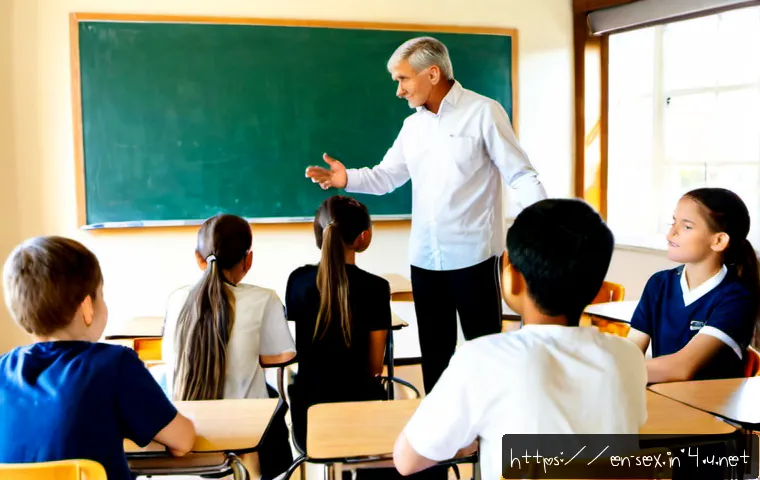
Schools have a unique opportunity to shape how young people understand respect and personal space. Integrating lessons on consent, healthy relationships, and communication skills into the curriculum can demystify these concepts early on.
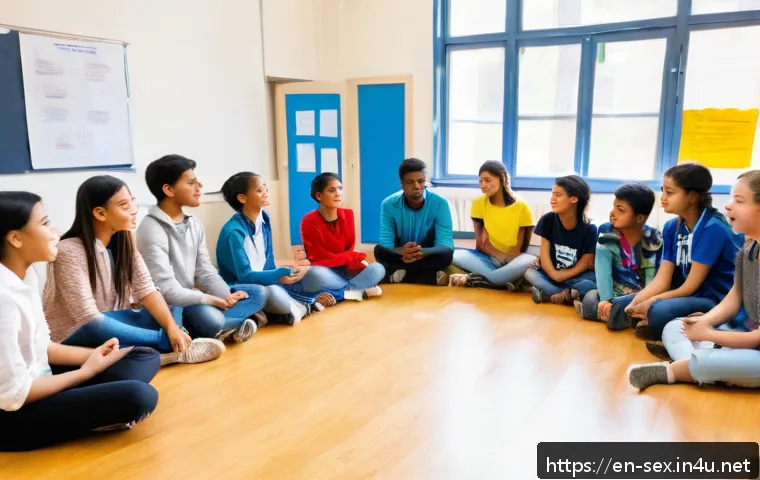
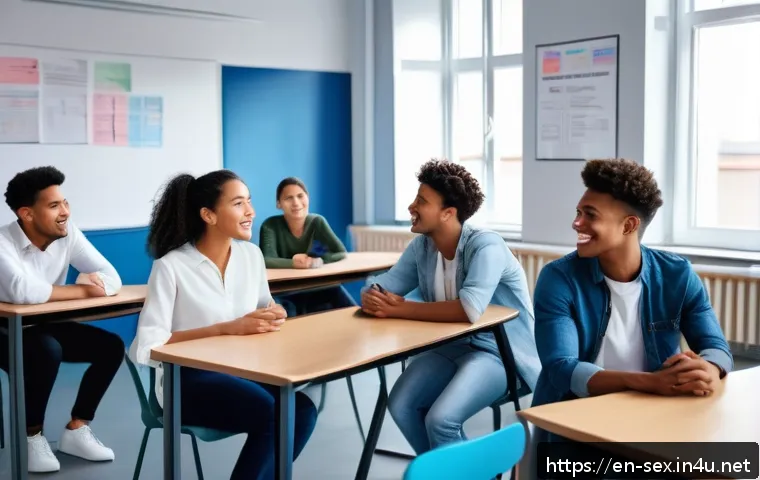
When these topics are taught openly and without shame, students are more likely to embrace them as normal parts of everyday life. I’ve observed classrooms where role-playing scenarios and open discussions encourage students to think critically about their behavior and the impact it has on others, fostering a culture of respect from a young age.
Training Educators to Handle Sensitive Topics
Teachers and school staff need specialized training to address sexual respect and harassment prevention confidently and sensitively. They’re often the first line of support for students who might be struggling or experiencing discomfort.
Empowering educators with the right tools and language helps them create safe spaces where students feel heard and protected. From what I’ve learned, ongoing professional development and open channels for feedback make a huge difference in how effectively schools manage these issues.
Engaging Parents and Guardians
Parental involvement is essential in reinforcing lessons about boundaries and respect outside the classroom. Schools can organize workshops or provide resources that help parents navigate these sometimes difficult conversations at home.
When parents and educators work together, it creates a consistent message for children, making it easier for them to understand and practice respectful behavior.
Personally, I’ve seen how collaborative efforts between families and schools lead to more open dialogue and healthier environments for kids.
Fostering Respectful Workplaces
Establishing Clear Policies and Reporting Channels
A respectful workplace starts with clear, well-communicated policies about acceptable behavior and consequences for violations. Employees should know exactly what constitutes inappropriate conduct and feel safe reporting concerns without fear of retaliation.
From firsthand conversations with HR professionals, I can attest that transparent procedures encourage trust and accountability, which ultimately improve the overall work atmosphere.
Promoting Ongoing Education and Awareness
Simply having policies isn’t enough; companies must also provide regular training that reinforces respectful communication and harassment prevention. Interactive sessions, real-life case studies, and anonymous surveys can keep these topics front and center.
I’ve noticed that workplaces investing in continuous education often see a measurable drop in incidents and an uptick in employee satisfaction, as people feel more valued and secure.
Encouraging Peer Support and Allyship
Creating a culture where colleagues look out for one another makes a huge difference. Encouraging employees to be allies means empowering them to speak up if they witness disrespectful behavior and support those affected.
This peer-to-peer approach fosters solidarity and can deter inappropriate actions before they escalate. In my experience, teams that embrace allyship report stronger cohesion and a more positive workplace vibe.
Utilizing Technology to Support Safe Spaces
Anonymous Reporting Tools
Technology offers practical solutions for people to report concerns discreetly. Many organizations now use apps or online platforms that allow anonymous submissions, making it easier for individuals who might fear backlash to come forward.
I’ve seen how these tools increase reporting rates and help uncover patterns that might otherwise go unnoticed, enabling quicker, more targeted responses.
Educational Resources and E-Learning Modules
Digital platforms provide accessible training options that employees or students can engage with at their own pace. Interactive videos, quizzes, and scenario-based learning make the material more engaging and memorable.

Based on feedback from users I’ve talked to, this flexibility helps reach a wider audience and reinforces important messages consistently.
Social Media’s Role in Awareness and Advocacy
Social media channels can amplify messages about respect and consent, reaching diverse audiences quickly. Campaigns that encourage sharing personal stories or educational content foster community and normalize conversations around these sensitive topics.
However, it’s important to manage these spaces carefully to prevent misinformation or harmful interactions, which requires ongoing moderation and thoughtful strategy.
Recognizing and Responding to Warning Signs
Identifying Subtle Indicators of Discomfort
Not all signs of boundary violations are obvious. Sometimes, people might freeze, avoid eye contact, or become unusually quiet when something isn’t right.
Learning to spot these subtle cues can help intervene before situations escalate. I’ve noticed that paying attention to body language and tone often reveals more than words alone, allowing for timely, compassionate support.
Supporting Those Affected Without Judgment
When someone shares their experience of discomfort or harassment, responding with empathy and without blame is crucial. Validating their feelings and offering resources or assistance shows respect and care.
From my own encounters, even simple phrases like “I believe you” or “You’re not alone” can be incredibly empowering for someone in distress.
Creating Action Plans for Resolution
Having a clear process for addressing concerns—whether in school, work, or social settings—helps ensure issues are taken seriously and resolved effectively.
This might include mediation, counseling, or disciplinary measures depending on the situation. I’ve seen that when people know there’s a fair and transparent way to handle problems, it reduces anxiety and encourages proactive communication.
Essential Communication Skills for Respectful Interactions
Active Listening as a Foundation
Truly hearing what someone else is saying, without interrupting or jumping to conclusions, builds trust and understanding. Active listening involves focusing fully, asking clarifying questions, and reflecting back what you’ve heard.
Through practice, I’ve found this skill transforms conversations, making people feel valued and respected.
Managing Emotions During Difficult Conversations
It’s natural to feel defensive or upset when discussing sensitive topics. Learning to stay calm and composed, taking deep breaths, or pausing when needed, helps keep the dialogue productive.
In my experience, acknowledging your own emotions and expressing them honestly yet respectfully opens the door for others to do the same.
Using Positive Language to Foster Cooperation
Framing requests or feedback with positive, solution-oriented language encourages collaboration rather than conflict. For instance, saying “Let’s find a way to make this comfortable for everyone” invites teamwork.
I’ve noticed that this approach reduces tension and helps maintain good relationships even when tackling tough issues.
| Aspect | Key Strategies | Benefits |
|---|---|---|
| Personal Boundaries | Recognize feelings, communicate clearly, respect others | Reduces conflict, builds trust, promotes comfort |
| Educational Settings | Integrate consent lessons, train educators, engage parents | Early awareness, safe learning environment, consistent messaging |
| Workplace Culture | Clear policies, ongoing training, peer allyship | Accountability, safer environment, increased satisfaction |
| Technology Use | Anonymous reporting, e-learning, social media campaigns | Accessibility, increased reporting, broad awareness |
| Warning Signs | Spot subtle cues, offer support, follow action plans | Early intervention, validation, effective resolution |
| Communication Skills | Active listening, emotional management, positive language | Stronger relationships, reduced misunderstandings, cooperative solutions |
In Conclusion
Setting and respecting personal boundaries is essential for healthy relationships in all areas of life. When we understand our limits and communicate them clearly, we create environments built on trust and respect. Whether at home, school, work, or online, these practices contribute to safer and more supportive communities. Taking small, intentional steps can make a big difference in fostering mutual understanding and well-being.
Helpful Tips to Remember
1. Recognize your feelings and comfort levels to identify your personal boundaries effectively.
2. Use clear, respectful language to communicate your limits confidently without causing conflict.
3. Pay attention to others’ verbal and non-verbal cues to honor their boundaries thoughtfully.
4. Encourage ongoing education and open dialogue in schools and workplaces to normalize respect and consent.
5. Leverage technology wisely for anonymous reporting and accessible learning to support safe environments.
Key Takeaways
Understanding and asserting personal boundaries helps reduce misunderstandings and builds trust. Effective communication is crucial to expressing these boundaries without alienating others. Respecting others’ limits by observing subtle signals fosters empathy and stronger connections. Educational institutions and workplaces benefit greatly from clear policies, ongoing training, and collaborative efforts involving all stakeholders. Technology can enhance safety through discreet reporting and engaging educational tools. Lastly, recognizing warning signs and responding with empathy ensures timely support and resolution, creating healthier, more respectful communities.
Frequently Asked Questions (FAQ) 📖
Q: How can parents effectively talk to their children about sexual education and harassment prevention?
A: Starting open and age-appropriate conversations early on is key. Share clear, simple explanations about bodies, boundaries, and respect. I found that using everyday situations—like explaining why personal space matters during playdates—makes the topic relatable.
Encourage questions and reassure your child that they can always come to you. It’s not a one-time talk but an ongoing dialogue that builds trust and awareness.
Q: What role do educators play in creating a safe learning environment regarding sexual harassment prevention?
A: Educators are crucial in setting the tone for respect and consent in schools. From my experience volunteering in classrooms, I saw how consistent messaging about boundaries and respectful behavior helps students feel safe.
Teachers should receive proper training to recognize signs of harassment and handle disclosures sensitively. Incorporating interactive lessons about empathy and consent empowers students to support each other and speak up.
Q: How can workplaces foster a culture that prevents sexual harassment and supports victims?
A: Workplaces must go beyond just policies; they need to cultivate trust and accountability. When I participated in a company training, I noticed that clear communication about what constitutes harassment and how to report it made employees more confident in speaking out.
Leadership commitment to enforcing rules and providing confidential support channels is essential. Regular training and open discussions help normalize respect and create a safer environment for everyone.