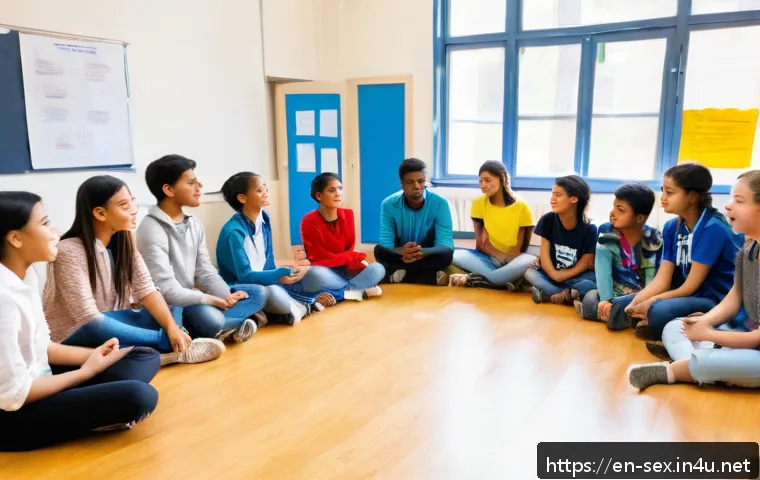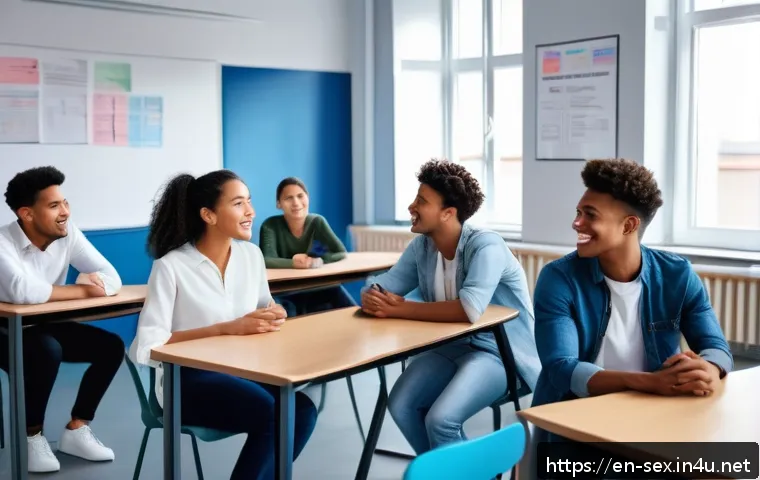
Understanding the importance of comprehensive sex education is crucial in today’s society where misinformation can lead to harmful consequences. Equipping individuals with accurate knowledge about consent, boundaries, and safety empowers them to protect themselves and others.
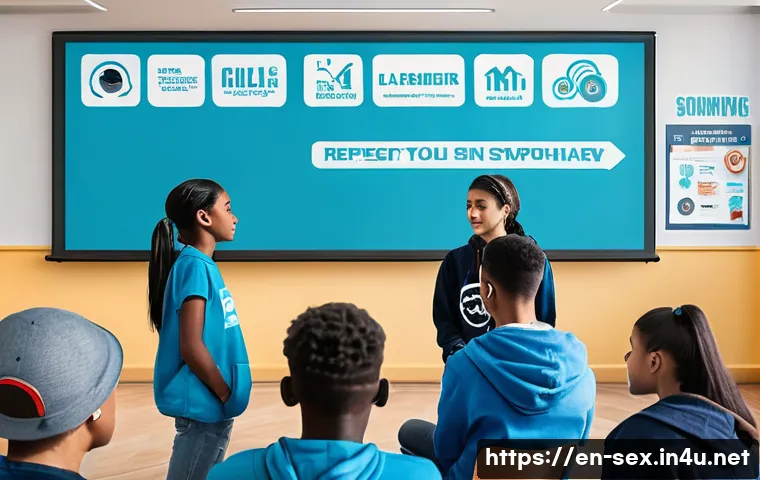
Moreover, proactive prevention of sexual violence through education fosters healthier relationships and communities. Personal experiences and studies consistently show that early, honest conversations make a significant difference.
Let’s dive deeper to uncover the essential facts and strategies that everyone should know!
Building Trust Through Open Communication
Fostering Honest Conversations Early On
One thing I’ve noticed, both in my own life and through talking with others, is that starting open, non-judgmental conversations about bodies, feelings, and boundaries early creates a foundation of trust.
When kids or teens feel safe asking questions without fear of shame, they’re more likely to come forward if something feels wrong later on. It’s not just about facts but about making space for curiosity and concerns.
Parents, educators, and caregivers who embrace this approach help normalize discussions about consent and respect, which often gets overlooked in traditional classrooms or homes.
This openness also equips young people to recognize unhealthy behaviors before they escalate.
Active Listening as a Key to Connection
Listening actively rather than just waiting for your turn to talk can transform the way these sensitive topics are handled. I’ve learned that when adults really listen—without interrupting or dismissing feelings—young people feel validated and understood.
This sense of being heard fosters stronger emotional bonds and encourages ongoing dialogue. For example, instead of immediately correcting misconceptions, asking follow-up questions like “What makes you think that?” or “How does that make you feel?” invites deeper reflection.
This practice not only clarifies facts but builds empathy and mutual respect, essential ingredients in healthy relationships.
Creating Safe Spaces Beyond the Home
While family is often the first line of communication, schools, community centers, and peer groups also play crucial roles in reinforcing trust and openness.
I’ve seen firsthand how programs that train teachers and youth leaders to handle these conversations sensitively can make a big difference. Safe spaces where questions are welcomed and confidentiality is respected encourage young people to explore their identities and boundaries without fear of judgment.
These environments help prevent misinformation from spreading and provide support networks if someone experiences discomfort or harm.
Recognizing and Respecting Personal Boundaries
Understanding Consent Beyond a Simple Yes or No
Consent isn’t just a one-time checklist; it’s an ongoing, enthusiastic agreement that can change at any moment. From my experience, many people initially think “consent” means getting a clear yes before anything happens, which is true but only part of the picture.
Consent also involves recognizing body language, tone of voice, and emotional readiness. For example, someone might verbally say yes but appear hesitant or uncomfortable.
Educating people to read these subtle cues helps prevent situations where consent is assumed incorrectly. Emphasizing that consent can be withdrawn anytime reinforces respect and personal autonomy.
Setting Boundaries with Confidence
Learning to set and communicate personal boundaries clearly is empowering. I remember a workshop where participants practiced saying “no” in different ways—sometimes directly, other times by suggesting alternatives.
This kind of role-playing builds confidence and shows that boundaries aren’t about being rude but about protecting oneself and others. When people understand their own limits, they’re better equipped to respect others’.
Moreover, setting boundaries early in relationships prevents misunderstandings and reduces the risk of coercion or pressure.
The Role of Digital Boundaries in Modern Relationships
In today’s world, boundaries extend beyond face-to-face interactions to digital spaces. I’ve noticed many conversations now include topics like sharing images, online harassment, or privacy settings.
Teaching young people to think critically about what they share and to respect others’ digital boundaries is vital. For example, forwarding a private message without permission can violate trust and lead to serious consequences.
Digital literacy around consent helps create safer online environments and reinforces the importance of respect across all forms of communication.
Empowering Through Knowledge of Safety Practices
Practical Tools for Personal Safety
Safety isn’t just about avoiding danger but having the skills to respond effectively. I’ve found that teaching practical tools—like how to seek help, recognize warning signs, and use bystander intervention—can make a huge difference.
These strategies give people a sense of control and readiness. For example, learning to trust one’s instincts or practicing ways to defuse tense situations empowers individuals to act confidently.
Incorporating role-playing scenarios in education helps solidify these skills, making them easier to recall under stress.
Understanding the Impact of Substance Use on Consent
One crucial topic often overlooked is how alcohol and drugs affect decision-making and consent. I’ve heard from many young adults how confusing situations become when substances are involved.
Clarifying that impaired judgment undermines the ability to give or receive consent is essential. This awareness encourages safer choices and reduces risky situations.
Education that includes real-life stories about consequences helps people internalize the message better than abstract warnings.
Resources and Support Systems
Knowing where to turn for help can be lifesaving. I always emphasize the importance of sharing information about hotlines, counseling centers, and trusted adults or authorities.
Sometimes people hesitate to seek support due to fear or stigma. Creating awareness about confidential resources and normalizing asking for help breaks down these barriers.
Schools and communities that actively promote accessible support systems contribute to a safer environment for everyone.
Debunking Myths and Challenging Stereotypes
Common Misconceptions About Sexual Violence
One of the biggest hurdles in prevention is confronting widespread myths that blame victims or minimize the seriousness of sexual violence. From my own conversations, I’ve found many people still believe false ideas like “it only happens to certain groups” or “it’s always a stranger.” Dispelling these myths with facts and stories is critical to fostering empathy and understanding.
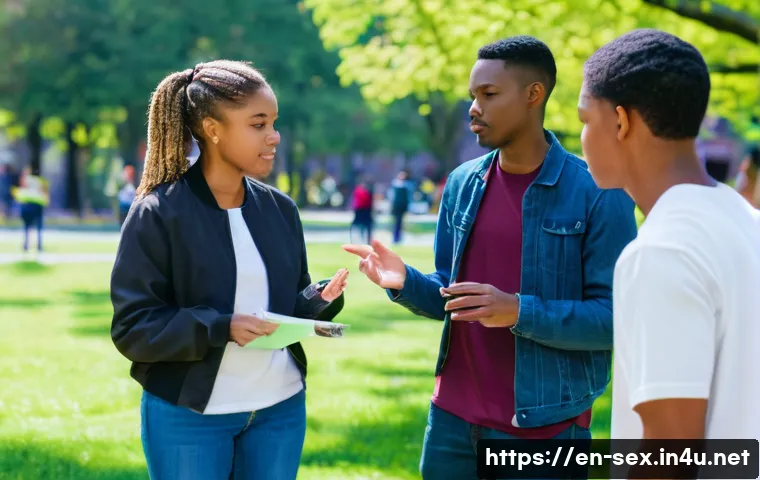
When people recognize that sexual violence can affect anyone and that perpetrators are often known to the victim, they’re more likely to take prevention seriously.
Gender Stereotypes and Their Role in Harmful Behavior
Stereotypes about masculinity and femininity often contribute to unhealthy dynamics. For instance, the idea that men must always be dominant or women must be submissive can create pressure that leads to coercion or silence.
I’ve observed that when education addresses these stereotypes directly, it helps participants rethink their beliefs and develop healthier attitudes. Encouraging emotional expression, mutual respect, and equality benefits everyone involved.
How Media Influences Perceptions and Expectations
Media, including movies, music, and social platforms, shapes how people view relationships and consent. I’ve noticed that unrealistic portrayals of romance or aggression can distort expectations.
Discussing these influences critically allows young people to separate fiction from reality. Media literacy education helps them question harmful messages and seek out positive role models, fostering more respectful and authentic interactions.
Promoting Healthy Relationship Skills
Building Empathy and Emotional Intelligence
Healthy relationships thrive on empathy and understanding. From my experience volunteering in youth programs, teaching emotional intelligence—like recognizing feelings, managing conflict, and showing compassion—creates stronger connections.
These skills reduce misunderstandings and promote mutual care. Role-playing and reflective exercises often help participants practice empathy in real-life scenarios, preparing them to navigate complex social situations with kindness.
Negotiating Boundaries and Expectations
Effective communication about needs and limits is a cornerstone of respectful relationships. I’ve seen couples and friends benefit from learning negotiation skills that allow them to express themselves clearly without fear of rejection.
This might include discussing comfort levels with physical touch, digital communication, or social activities. Teaching negotiation as a collaborative process, rather than a power struggle, fosters trust and cooperation.
Recognizing Signs of Unhealthy or Abusive Behavior
Early identification of unhealthy patterns can prevent escalation. I recall workshops where participants learned to spot red flags like controlling behavior, excessive jealousy, or disrespect for boundaries.
Understanding these signs empowers individuals to seek help or exit harmful relationships. Education that includes real testimonials and clear guidelines makes these lessons tangible and actionable.
Creating Community Commitment to Respect and Safety
Role of Bystanders in Prevention
Bystanders have a powerful role in shaping community norms. I’ve noticed that when people feel equipped and responsible to intervene safely, incidents of harassment or violence decrease.
Training programs that teach safe intervention techniques—like distraction or seeking help—build collective accountability. Empowering bystanders also creates a culture where harmful behavior is less tolerated.
Collaborative Efforts Across Institutions
Preventing sexual violence requires cooperation among schools, workplaces, law enforcement, and healthcare providers. I’ve seen effective initiatives where these sectors share resources and coordinate responses, creating consistent support for survivors and clear consequences for offenders.
This multi-layered approach strengthens prevention efforts and community resilience.
Ongoing Education and Policy Advocacy
Prevention isn’t a one-time event but an ongoing commitment. Advocating for comprehensive sex education policies and regular training ensures that knowledge stays current and relevant.
I’ve observed that communities with sustained efforts see lower rates of sexual violence and greater awareness. Supporting legislation and funding for these programs is vital for long-term change.
| Key Aspect | Practical Example | Impact |
|---|---|---|
| Open Communication | Family discussions encouraging questions without judgment | Builds trust and early recognition of boundaries |
| Consent Understanding | Role-playing enthusiastic yes/no scenarios | Improves recognition of verbal and non-verbal cues |
| Safety Skills | Bystander intervention training | Empowers community to prevent violence |
| Myth Busting | Educational sessions debunking stereotypes | Reduces victim-blaming and increases empathy |
| Healthy Relationships | Workshops on emotional intelligence and negotiation | Fosters respect and cooperation |
| Community Collaboration | Multi-agency partnerships for support and prevention | Creates consistent and robust safety networks |
Concluding Thoughts
Building trust, understanding boundaries, and promoting safety are essential steps toward creating respectful and supportive relationships. Through open communication and ongoing education, we can empower individuals and communities to prevent harm and foster empathy. It’s a collective journey that requires patience, honesty, and commitment from everyone involved.
Useful Information to Remember
1. Open communication early on helps establish trust and makes it easier to discuss difficult topics without fear or shame.
2. Active listening encourages empathy and deeper understanding, creating stronger emotional connections.
3. Recognizing that consent is ongoing and includes non-verbal cues is crucial for respecting personal boundaries.
4. Practical safety skills like bystander intervention and substance awareness empower individuals to act confidently in challenging situations.
5. Collaborating across communities and institutions strengthens prevention efforts and ensures accessible support systems.
Key Takeaways
Trust and respect begin with honest conversations and attentive listening. Consent is a dynamic process that requires awareness of both verbal and non-verbal signals. Empowering people with safety knowledge and debunking harmful myths creates healthier environments. Finally, fostering empathy, clear communication, and community involvement is vital to preventing abuse and building lasting, positive relationships.
Frequently Asked Questions (FAQ) 📖
Q: Why is comprehensive sex education important for young people?
A: Comprehensive sex education is vital because it provides young people with accurate, age-appropriate information about their bodies, relationships, and boundaries.
From my experience working with teens, those who receive thorough education are more confident in making safe choices and understanding consent. It helps prevent misinformation that can lead to risky behavior and promotes respect for themselves and others, laying the foundation for healthier relationships throughout their lives.
Q: How does teaching about consent and boundaries help reduce sexual violence?
A: Educating individuals about consent and boundaries creates a culture where respect and communication are prioritized. When people clearly understand that consent must be enthusiastic and ongoing, they’re less likely to engage in harmful behaviors.
I’ve seen firsthand how early conversations about these topics empower people to speak up, recognize red flags, and intervene when necessary, which collectively contributes to lowering instances of sexual violence in communities.
Q: What strategies make sex education more effective and engaging?
A: The most effective sex education programs are those that are honest, interactive, and inclusive. Sharing real-life scenarios, encouraging open discussions, and addressing questions without judgment make a huge difference.
From my perspective, when educators create a safe environment where students feel comfortable expressing concerns, it leads to better retention and application of the information.
Additionally, integrating multimedia tools and ongoing support beyond a single class session helps reinforce these critical lessons.