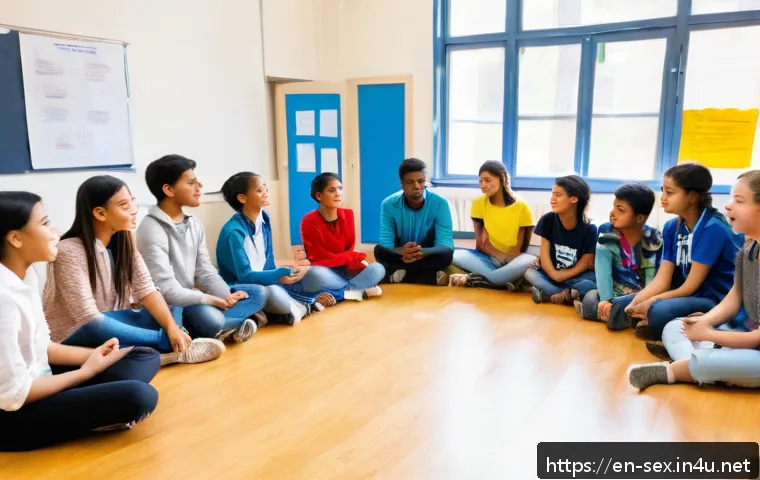
Hey everyone! With conversations around teen well-being gaining momentum, it’s clear that comprehensive sex education is more crucial than ever. Beyond just facts, it shapes how young people develop their own values and respect in relationships.

I’ve noticed that when teens receive honest, thorough guidance, they’re better equipped to navigate complex situations with confidence and ethics. Curious about how these lessons truly impact their moral compass?
Stick around—this topic dives deep into the heart of empowering the next generation with knowledge and integrity.
Building Trust Through Open Communication
The Role of Honest Conversations
When teens feel they can openly talk about sensitive topics without fear of judgment, it builds a foundation of trust that extends beyond just discussions about relationships.
From my experience, creating a space where questions are welcomed and answered honestly helps young people feel respected and valued. This openness encourages them to seek guidance when faced with confusing or challenging situations instead of relying on potentially misleading sources.
The effect is profound—teenagers become more confident in making decisions aligned with their personal values rather than peer pressure or misinformation.
How Active Listening Shapes Understanding
It’s not just about talking; it’s equally about listening actively. I’ve noticed that when adults genuinely listen to what teens express—their fears, curiosities, and doubts—it fosters empathy and deeper connection.
Teens pick up on this attentiveness, which reassures them that their feelings matter. This dynamic helps them process their emotions more clearly, reducing anxiety around sensitive topics.
Active listening also models respectful communication, which is essential for any healthy relationship later in life.
Encouraging Questions to Promote Critical Thinking
Encouraging teens to ask questions rather than just passively receive information is a game-changer. When they’re invited to explore “why” and “how” things work, they develop critical thinking skills that serve them well beyond personal relationships.
I’ve seen how this approach leads to more thoughtful decision-making and a stronger sense of personal ethics. It’s like giving them the tools to build their own moral framework rather than imposing one externally.
Understanding Emotional Intelligence in Relationships
Recognizing and Managing Emotions
Emotional intelligence plays a huge role in how young people navigate their relationships. From my observations, teens who learn to identify and manage their emotions early on tend to handle conflicts and misunderstandings more maturely.
They become less reactive and more reflective, which reduces the chances of harmful behaviors like manipulation or disrespect. Teaching emotional awareness equips them to be compassionate partners and friends who can express themselves clearly without hurting others.
Empathy as a Cornerstone of Respect
Empathy often gets overlooked in typical education, but it’s vital. When teens are taught to put themselves in others’ shoes, they develop a natural respect for boundaries and feelings.
I’ve witnessed how fostering empathy helps reduce bullying and promotes inclusivity in social circles. It’s also crucial for understanding consent—not just as a rule, but as a mutual feeling and agreement that honors everyone’s dignity.
Conflict Resolution Skills for Lasting Bonds
Disagreements are inevitable, but how teens learn to handle them makes all the difference. I’ve found that teaching conflict resolution skills early on empowers teens to approach disputes with calm and fairness.
They learn to listen without interrupting, express their feelings without blame, and seek solutions that work for everyone involved. These skills don’t just improve romantic relationships; they strengthen friendships and family connections too.
The Impact of Values and Beliefs on Decision-Making
How Personal Beliefs Guide Choices
Every teen comes with their own set of cultural, religious, or familial beliefs that shape their views on relationships. From what I’ve seen, when sex education acknowledges and respects these diverse backgrounds, teens feel more comfortable integrating their values into their decisions.
This personalized approach helps them avoid internal conflict and promotes consistency between their actions and beliefs, leading to greater self-respect and integrity.
Balancing Peer Influence and Self-Identity
Peer pressure is a huge factor in adolescent behavior. I remember many conversations where teens struggled to maintain their own values while wanting to fit in.
Comprehensive guidance helps them recognize these pressures and develop strategies to stay true to themselves. When they understand that their worth isn’t defined by others’ approval, they make healthier, more authentic choices that align with their moral compass.
Long-Term Thinking and Consequences
It’s easy for teens to focus on the here and now, but part of effective education is helping them consider long-term consequences. I’ve found that framing discussions around future goals—like emotional well-being, career aspirations, or family planning—makes the topic more relevant.
When teens connect their present actions to future outcomes, they tend to be more cautious and thoughtful in their decisions.
Building Confidence Through Knowledge and Skills
Practical Skills for Safe Relationships
Beyond theory, teens benefit immensely from learning practical skills like setting boundaries, communicating consent clearly, and recognizing unhealthy behaviors.

I’ve noticed that when teens practice these skills in safe environments, such as role-playing or workshops, their confidence skyrockets. This hands-on approach demystifies difficult conversations and equips them with tools to protect themselves and others.
Reducing Anxiety Through Preparation
Uncertainty breeds anxiety, especially around relationships and sexuality. From my experience, thorough education reduces this anxiety by clarifying myths and providing factual information.
Teens who know what to expect feel less fear and more control over their choices. This sense of preparedness not only improves mental health but also encourages responsible behavior.
Empowerment Through Ownership of Choices
When teens understand that they are the ultimate decision-makers in their relationships, it fosters a sense of empowerment. I’ve seen how this ownership leads to higher self-esteem and accountability.
Instead of feeling pressured or confused, they feel capable and motivated to make decisions that reflect their true selves.
Recognizing Healthy Versus Unhealthy Relationship Patterns
Identifying Red Flags Early
One of the most valuable lessons is teaching teens to spot warning signs of unhealthy relationships, such as controlling behavior, disrespect, or emotional manipulation.
I recall talking with teens who shared how recognizing these red flags early saved them from toxic situations. This awareness is crucial because it encourages timely intervention and support, preventing harm.
Promoting Mutual Respect and Equality
Healthy relationships are built on equality and respect. I’ve observed that teens who learn about these principles are more likely to seek partners who treat them fairly and kindly.
They also tend to reject harmful stereotypes about gender roles or dominance, which contributes to more balanced and fulfilling connections.
Encouraging Support Networks
No one should face relationship challenges alone. Encouraging teens to build strong support networks—whether friends, family, or mentors—provides a safety net for advice and emotional support.
I’ve seen how having trusted people to turn to makes a huge difference in resilience and decision-making.
Summary of Key Elements in Teen Relationship Education
| Focus Area | Key Benefits | Real-Life Impact |
|---|---|---|
| Open Communication | Builds trust, encourages questions | Teens feel valued and seek guidance confidently |
| Emotional Intelligence | Improves empathy and conflict resolution | Reduces bullying, fosters respectful interactions |
| Values Integration | Supports personal belief systems | Helps teens stay authentic under peer pressure |
| Practical Skills | Enhances boundary-setting and consent | Boosts confidence and safety in relationships |
| Relationship Awareness | Identifies healthy vs. unhealthy dynamics | Prevents toxic situations, promotes equality |
Closing Thoughts
Building healthy relationships during adolescence is a journey that requires patience, understanding, and open dialogue. When teens are equipped with emotional intelligence, practical skills, and a strong sense of their own values, they become empowered to make choices that respect themselves and others. Encouraging trust and communication lays the foundation for lifelong meaningful connections. Ultimately, this education helps young people navigate relationships with confidence and integrity.
Useful Information to Keep in Mind
1. Open communication encourages teens to express themselves honestly, creating trust and reducing misunderstandings.
2. Emotional intelligence helps young people manage feelings, resolve conflicts peacefully, and develop empathy for others.
3. Recognizing personal values allows teens to make authentic decisions even when facing peer pressure.
4. Learning practical skills like setting boundaries and understanding consent builds confidence and safety in relationships.
5. Awareness of healthy versus unhealthy relationship patterns prevents harm and promotes respect and equality.
Key Takeaways
Effective teen relationship education revolves around fostering open dialogue, emotional awareness, and respect for individual values. Providing teens with practical tools and encouraging critical thinking empowers them to build strong, healthy connections. Supporting them in recognizing warning signs of unhealthy dynamics and creating supportive networks ensures their well-being and growth. Prioritizing these elements helps young people develop meaningful relationships that last a lifetime.
Frequently Asked Questions (FAQ) 📖
Q: uestions about Comprehensive Sex Education and Teen Well-beingQ1: How does comprehensive sex education influence a teenager’s ability to make ethical decisions in relationships?
A: Comprehensive sex education goes beyond just biological facts; it provides teens with the tools to understand consent, respect, and emotional boundaries.
When teens are taught about these concepts openly, they develop a stronger sense of empathy and personal responsibility. From my experience working with young people, those who receive honest guidance tend to approach relationships thoughtfully, considering both their own feelings and those of others.
This foundation encourages ethical decision-making because they understand the importance of respect and communication, rather than just avoiding risks.
Q: Can honest and thorough sex education reduce risky behaviors among teenagers?
A: Absolutely. When teens are given clear, truthful information about sexuality, contraception, and emotional health, they are better prepared to make safer choices.
I’ve seen firsthand that when young people feel informed and supported, they’re less likely to engage in impulsive or unsafe behaviors. They gain confidence to say no when they need to, and they know where to seek help without shame.
This education helps dismantle myths and stigma, leading to healthier attitudes that ultimately lower the chances of unintended pregnancies and sexually transmitted infections.
Q: What role does comprehensive sex education play in shaping a teen’s values and respect towards others?
A: Comprehensive sex education plays a pivotal role in shaping not just knowledge but character. It encourages teens to reflect on their own values and the importance of respecting diverse perspectives and boundaries.
Through discussions about consent, identity, and healthy communication, teens learn that relationships are built on mutual respect and honesty. I’ve noticed that when education includes these deeper conversations, teens develop stronger self-awareness and respect for others, which carries over into all areas of their lives, helping them build healthier, more meaningful connections.