
Alright, fellow well-being explorers! Have you ever paused to think about how much sex education has, or hasn’t, evolved since *our* school days? It’s a wild thought, right?
For many of us, “the talk” was often awkward, incomplete, or simply non-existent, leaving us to navigate a huge part of our lives with fragmented information.
I know I definitely felt that way, stumbling through early adulthood wishing I’d learned more than just the basics of biology in a hushed health class.
If you’re anything like me, you’ve probably realized that sexual well-being is so much more than just the birds and the bees; it’s about consent, pleasure, communication, mental health, and understanding ourselves in a deeper, more holistic way.
Fast forward to today, and while the conversation is definitely getting louder, a significant number of adults still feel unprepared by their past sex education.
In fact, studies show that over 90% of American adults feel they weren’t adequately prepared, with many never even formally learning about crucial topics like how to actually have sex, local sexual health resources, or even gender identity and sexual orientation.
That’s a huge gap, especially when you consider how rapidly our world is changing, with digital platforms and telehealth services now playing a massive role in how we access information and care.
This isn’t just about preventing STIs or pregnancies anymore; it’s about fostering genuinely healthy relationships, embracing body positivity, and navigating the complexities of digital consent.
From AI-powered sex toys that adapt to user preferences to mindfulness practices that enhance intimacy, the landscape of sexual wellness is brimming with innovative approaches.
It’s clear we’re moving towards a future where sexual health is seen as an essential, practical, and inclusive part of our overall wellness, integrating mental health, lifestyle, and even cutting-edge tech.
So, if you’ve ever felt like there were pieces missing from your own sexual wellness puzzle, you’re absolutely not alone. It’s an ongoing journey of discovery and empowerment that truly impacts every corner of our lives.
Let’s dive deeper into how we can take ownership of our sexual well-being and thrive.
Alright, my incredible community of wellness seekers! It’s wild how much the conversation around sexual well-being has shifted, and honestly, it’s about time we stopped tiptoeing around it.
For so long, sex education felt like this awkward, hushed, and totally incomplete chapter in our lives, leaving us with more questions than answers as we stepped into adulthood.
I remember feeling so lost, like I had to figure out this massive, impactful part of my life all on my own, piecing together information from various, often unreliable, sources.
But here’s the thing: we’re collectively realizing that sexual wellness isn’t just about biology or prevention anymore. It’s a vibrant, multifaceted journey encompassing consent, pleasure, deep communication, mental health, and a profound understanding of ourselves.
The good news is, we’re making strides! The world is opening up, with digital platforms and telehealth services changing how we access vital information and care.
This isn’t just about avoiding STIs or unplanned pregnancies; it’s about nurturing truly healthy relationships, embracing our bodies with confidence, and gracefully navigating the sometimes-tricky waters of digital consent.
From smart tech designed to enhance intimacy to mindfulness practices that deepen our connections, the landscape is bursting with innovation. It’s thrilling to see sexual health finally getting the spotlight it deserves – recognized as an essential, practical, and incredibly inclusive piece of our overall wellness puzzle, intertwining with our mental health, lifestyle, and even cutting-edge technology.
So, if you’ve ever felt like there were missing pieces in your own sexual wellness journey, please know you’re in excellent company. This is a continuous path of discovery and empowerment that genuinely touches every single aspect of our lives.
Let’s dive deeper into how we can truly own our sexual well-being and absolutely thrive.
Redefining “The Talk”: Beyond the Birds and the Bees
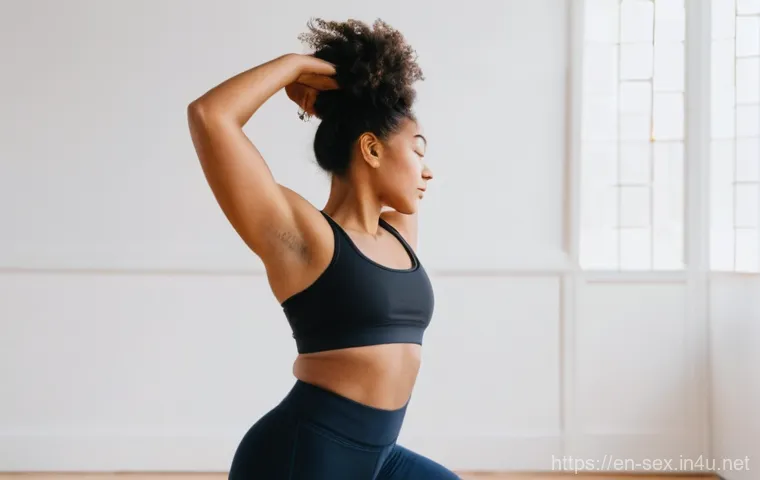
Unpacking the Gaps in Traditional Education
Let’s be real, for many of us, our early sex education felt like a crash course in biology with a heavy dose of fear-mongering thrown in. I certainly recall a lot of focus on reproduction and STIs, delivered in a way that often made sex feel dangerous and something to be avoided, rather than a natural, healthy part of human connection.
What was glaringly absent was any real discussion about pleasure, healthy relationships, or the emotional nuances of intimacy. It’s no wonder so many adults, myself included, felt unprepared.
A recent study found that over 90% of American adults felt they weren’t adequately prepared by their past sex education, with vital topics like how to actually have sex, local sexual health resources, or even gender identity and sexual orientation being largely ignored.
I mean, seriously? We were expected to navigate complex relationships and personal discoveries with such fragmented information! This oversight impacts our confidence and quality of life well into adulthood.
It’s almost like they taught us how a car engine works but forgot to teach us how to drive it, or even that driving could be enjoyable.
Embracing a Holistic View of Sexual Wellness
But here’s where things get exciting: the conversation is finally evolving. We’re moving towards a much more holistic understanding of sexual wellness, one that acknowledges it as a vital component of our overall health, just like nutrition or exercise.
This shift is about recognizing that sexual well-being encompasses not just physical health, but also emotional, mental, and social aspects. It’s about feeling comfortable and accepting of your body, experiencing pleasure and satisfaction, having open communication with partners, and ensuring both emotional and physical safety.
For me, realizing this has been truly transformative. It’s moved sexual health from a box I occasionally checked to an ongoing, integrated part of how I approach my life and relationships.
It acknowledges that our sexuality is fluid and can change throughout our lives, requiring continuous learning and adaptation.
Mastering the Art of Connection: Communication & Consent
Building Bridges with Open Dialogue
If there’s one thing I’ve learned about cultivating incredible intimacy, it’s that communication is absolutely non-negotiable. Seriously, it’s the golden key to unlocking better experiences.
It might feel a bit awkward at first, especially if you, like me, didn’t grow up in an environment where talking openly about sex was encouraged. But pushing through that initial discomfort is so worth it.
Open and honest conversations with your partner(s) create a foundation of trust and mutual understanding, allowing you to express desires, boundaries, and needs without judgment.
Think about it – how can someone truly know what makes you tick, or what makes you feel safe and cherished, if you don’t tell them? This isn’t just about what happens in the bedroom, either; it’s about checking in, using supportive language, and showing empathy in all your interactions.
I’ve personally found that the more I practiced verbalizing my wants and needs, even in small ways, the easier and more fulfilling my intimate life became.
It’s like building a muscle; the more you use it, the stronger it gets.
Navigating Consent in the Digital Age
Now, let’s talk about consent, especially in our increasingly digital world. This isn’t just a physical “yes” or “no”; it’s an ongoing, enthusiastic, and freely given agreement for *every* interaction, whether in person or online.
Digital consent extends to everything from sharing personal photos or messages to engaging in virtual intimacy. It’s so crucial because online interactions can lack those non-verbal cues we rely on in person, making explicit communication even more vital.
I’ve seen and heard too many stories where misunderstandings in digital spaces have led to hurt and discomfort, often because assumptions were made. It’s a constant check-in process: “Is this okay?”, “Are you comfortable?”, “Do you want to continue?”.
And remember, what was okay yesterday might not be okay today, and that’s perfectly fine. We all have the right to change our minds, and our partners should always respect that.
It’s about creating a safe space where everyone feels respected and empowered to set their own boundaries.
Embracing Your Body: Self-Acceptance & Pleasure
Cultivating Body Positivity and Confidence
Okay, so let’s get deeply personal for a moment. How do you truly feel about your body when it comes to intimacy? For so long, I struggled with lingering insecurities, thanks to societal beauty standards and, frankly, that inadequate early sex education that never really taught us to appreciate our own physical selves.
But here’s the truth bomb: body positivity and sexual confidence are deeply intertwined. When you accept and appreciate your body, flaws and all, it dramatically reduces inhibitions and allows you to truly engage in sexual activities without being preoccupied by negative thoughts.
This isn’t about forced self-love every single day – sometimes it’s more about body neutrality, finding peace and respect for your body as a vehicle for your life, rather than constantly striving for an unattainable ideal.
I’ve found that actively engaging in self-care routines, practicing positive affirmations, and exploring what truly brings *me* pleasure, rather than focusing on what I *think* I should look like or feel, has been revolutionary.
It’s a journey, not a destination, but every step towards acceptance makes a world of difference.
Mindfulness: The Secret Ingredient for Deeper Pleasure
Have you ever been mid-intimacy, and your mind starts wandering to your grocery list or that email you forgot to send? Yeah, me too! It’s incredibly common, and it totally steals away from the experience.
This is where mindfulness swoops in like a superhero. Mindfulness isn’t just for meditation; it’s a game-changer in the bedroom. By focusing on the present moment – the sensations, the touch, the sounds, the smells – you can dramatically enhance desire, arousal, and overall satisfaction.
When I started incorporating mindful practices, even just taking a few deep, intentional breaths before or during intimacy, I noticed a profound difference.
It’s about tuning into your body’s responses, noticing the subtle movements, and really *feeling* everything. It shifts your focus from performance anxiety or mental distractions to the sheer enjoyment of the moment.
Research even shows that men who practice mindfulness can improve erectile issues and increase sexual satisfaction, while women are more likely to achieve consistent orgasms.
It’s an incredibly powerful tool for cultivating deeper pleasure and connection, whether you’re with a partner or enjoying solo exploration.
Navigating Life’s Stages: Evolving Sexual Wellness
Adapting to Changes Through the Years
Our bodies and lives are constantly evolving, and naturally, our sexual wellness journey shifts right along with them. What felt amazing in our twenties might look a little different in our forties, sixties, and beyond, and that’s perfectly, beautifully normal.
Hormonal fluctuations, shifts in energy levels, or even managing health conditions can all impact our sexual experiences. For women, menopause can bring changes like vaginal dryness or shifts in libido, while men might experience changes in erectile function or testosterone levels.
I’ve had friends express anxiety about these natural changes, feeling like their “sexual prime” was over. But honestly, it’s about adapting and finding new ways to experience pleasure and intimacy.
Open communication with partners becomes even *more* vital here, discussing what feels good, what doesn’t, and how to lovingly adapt to each other’s changing needs.
Sometimes, emotional connection and sensual touch become a more central and deeply meaningful aspect of intimacy than purely physical acts. It’s about embracing flexibility and discovering the richness that comes with evolving sexuality.
Seeking Support: When and How to Get Help

It’s so important to remember that you don’t have to navigate these changes or any sexual health concerns alone. Just like you’d see a doctor for a persistent cough, seeking professional support for your sexual well-being is a sign of strength, not weakness.
There are incredible resources out there, from therapists specializing in sexual health and relationships to healthcare providers who can address physical concerns.
For instance, hormone therapy, like bioidentical hormone replacement therapy (BHRT), can be a game-changer for addressing hormonal imbalances that affect libido and satisfaction, especially during menopause.
Telehealth services have also made accessing discreet and expert care more convenient than ever, connecting you with professionals from the comfort of your home.
Please, don’t let embarrassment or misinformation keep you from seeking help. Your sexual health is an integral part of your overall well-being, and there are compassionate professionals ready to provide guidance and support.
Technology’s Role in Modern Intimacy
Innovations Enhancing Connection and Pleasure
Can we just take a moment to appreciate how far sextech has come? It’s truly wild to see how technology is normalizing pleasure and empowering us to explore our bodies and relationships in new ways.
What was once whispered about is now openly discussed, much like fitness or nutrition. We’re talking about smart devices like app-controlled vibrators that offer biofeedback to help you understand your own pleasure patterns, or wearable stimulators that track intimate health metrics.
These aren’t just gadgets; they’re tools that provide insights, foster self-discovery, and can even enhance connection, especially for long-distance partners.
I remember thinking a few years ago that sextech was just a niche thing, but it’s rapidly becoming mainstream, offering personalized solutions that were unimaginable just a decade ago.
It really makes you wonder what’s next, doesn’t it?
The Promise of Telehealth and AI in Sexual Health
Beyond the fun gadgets, technology is also revolutionizing access to sexual healthcare itself. Telehealth services have become an invaluable resource, breaking down geographical barriers and providing discreet, convenient access to consultations, therapy sessions, and even prescriptions.
If you’ve ever felt shy about walking into a clinic, virtual appointments can make a world of difference. And let’s talk about AI. It’s starting to reshape how doctors and patients approach intimate health, with chat-based triage systems guiding individuals to the right care quickly and confidentially.
Predictive algorithms could even detect early signs of sexual dysfunction, allowing for proactive interventions. This means faster, more accessible, and truly personalized sexual health support for millions of people.
While we need to ensure ethical considerations like privacy and consent are always at the forefront, the potential for AI to destigmatize and streamline sexual health care is incredibly exciting.
| Aspect of Sexual Wellness | Traditional Approach (Often Inadequate) | Modern, Holistic Approach (Empowering) |
|---|---|---|
| Core Focus | Reproduction, disease prevention (often fear-based) | Pleasure, communication, consent, overall well-being |
| Body Image | Often overlooked or linked to narrow beauty standards | Body positivity/neutrality, self-acceptance, functional appreciation |
| Communication | Hushed, awkward, assumed, or non-existent | Open, honest, ongoing, explicit, and enthusiastic dialogue |
| Resources | Limited to school nurses or family doctors (if available) | Diverse: Therapists, specialized clinics, telehealth, trusted online platforms |
| Technology’s Role | Largely absent or seen as taboo | Tools for pleasure, education, accessibility, and connection |
Building Your Personal Wellness Toolkit: Resources & Support
Finding Inclusive and Reliable Information
One of the biggest hurdles I faced in my own journey was figuring out where to find *good*, reliable information. It’s easy to get lost in a sea of questionable advice online.
That’s why building a trusted toolkit of resources is so important. Thankfully, there are incredible organizations dedicated to providing medically accurate, inclusive, and comprehensive sexual health information.
Think about places like Planned Parenthood, which offers a vast array of resources and a 24-hour hotline for everything from contraception to STI testing.
Websites like “Go Ask Alice!” and “Scarleteen” provide thoughtful, age-appropriate answers to a huge range of questions, often with a sex-positive lens.
For those seeking information on LGBTQ+ sexual health, organizations like GLSEN or Advocates for Youth are invaluable, providing guidance and support that’s often missing from traditional education.
It’s about seeking out diverse perspectives and ensuring the information you consume empowers you, rather than shames you. Don’t be afraid to dig for what truly resonates with you and your unique needs.
Connecting with Community and Professionals
Beyond informational websites, finding a supportive community or connecting with professionals can make a world of difference. Sometimes, just knowing you’re not alone in a particular struggle or question can be incredibly validating.
There are online forums, local support groups, and even sex-positive educators who host workshops, offering safe spaces to learn and share. When it comes to more personalized guidance, consider reaching out to therapists or counselors who specialize in sex therapy or relationship counseling.
They can provide unbiased support, help you navigate complex emotions, and develop strategies for communication and intimacy. Many clinics and health centers are increasingly focused on providing inclusive sexual health services, ensuring that everyone, regardless of age, gender identity, or sexual orientation, feels welcomed and understood.
I personally know a few friends who’ve found incredible relief and clarity through therapy, realizing that addressing sexual concerns with a professional is just as valid as going to a physical therapist for a sore back.
It’s an investment in your overall happiness and well-being.
Wrapping Things Up
Whew! What a journey we’ve been on, diving deep into the fascinating, ever-evolving world of sexual wellness. It’s truly incredible to reflect on how far we’ve come from those awkward, often unhelpful conversations of our youth to a place where we can openly discuss pleasure, consent, communication, and body acceptance as integral parts of a fulfilling life. This isn’t just about what happens in the bedroom; it’s about feeling whole, empowered, and genuinely connected to ourselves and others. Remember, your sexual well-being is a dynamic, lifelong process of learning, growing, and adapting, and it absolutely deserves your attention and care.
Useful Tips to Keep in Mind
1. Prioritize open communication with your partner(s) about desires, boundaries, and comfort levels – it’s the bedrock of healthy intimacy.
2. Embrace a holistic view of sexual wellness, recognizing its connection to your emotional, mental, and physical health.
3. Practice mindfulness during intimate moments to enhance pleasure, reduce distractions, and deepen your connection.
4. Seek out reliable, inclusive resources and professional support when needed; your sexual health is just as important as any other aspect of your well-being.
5. Cultivate body positivity and self-acceptance, understanding that true confidence comes from within, not from external ideals.
Key Takeaways
As we close this chapter, I really want you to walk away feeling empowered and informed about your sexual well-being. It’s not a destination, but a continuous journey of self-discovery and growth. From the sometimes-stumbling blocks of traditional sex education to the exciting frontiers of sextech and telehealth, we’ve explored how a holistic approach can genuinely transform your experience. Remember that your personal pleasure, enthusiastic consent, and honest communication are not just buzzwords; they are fundamental rights and practices that lead to more fulfilling connections, both with yourself and with others. I’ve personally found that the more I lean into understanding and nurturing this part of my life, the more vibrant and authentic all my relationships become. Don’t be afraid to ask questions, explore what feels good, and adapt as your body and life evolve. Your sexual health is a powerful, beautiful component of your overall happiness, deserving of curiosity, respect, and continuous care. Let’s keep this conversation going and empower each other to truly thrive in every single aspect of our lives.
Frequently Asked Questions (FAQ) 📖
Q: uestions
A: bout Sexual Well-Being
Q: I find it really difficult and awkward to talk about sex and intimacy with my partner. How can I start these conversations more easily and effectively?
A: Oh, my goodness, you are absolutely not alone in this! I remember feeling like I was walking on eggshells when trying to bring up anything beyond surface-level topics with partners.
It’s a totally normal hurdle, especially if we weren’t given great tools growing up. The trick I’ve found, and honestly, this has been a game-changer for me, is to start small and outside the bedroom.
Don’t wait for a “moment” to suddenly drop a heavy conversation. Maybe when you’re just relaxing together, say something like, “Hey, I was thinking about how we connect, and I’d love for us to talk more openly about our desires and comfort levels.
How do you feel about that?” Frame it as a shared journey, not a problem one of you needs to fix. Use “I” statements – “I feel really connected when we…” or “I’m curious about exploring…” instead of “You never…” or “We always…”.
And here’s a big one: be prepared for it to be a little messy at first! It takes practice, just like any other skill. If you’re really struggling, sometimes even just reading a book together about couples’ communication or looking up a local sex therapist can offer a neutral space to learn those communication muscles.
It’s about building a foundation of trust and psychological safety, and believe me, the payoff for your intimacy is enormous.
Q: Beyond basic biology, where can I find genuinely reliable and up-to-date information about sexual health and wellness as an adult? My old school curriculum definitely didn’t cut it!
A: That’s such a crucial question, and honestly, one I wish I’d asked a lot sooner in my own journey! Our school sex ed was, let’s be real, often more about diagrams and warnings than actual holistic well-being.
Now that we’re adults, the world of information is vast, but you want to make sure you’re getting it from credible sources. I’ve personally leaned heavily on certified sex educators and therapists – look for credentials like AASECT (American Association of Sexuality Educators, Counselors, and Therapists).
Their websites often have amazing resources and articles. Reputable health organizations like Planned Parenthood in the US, or even your local public health department, are fantastic for up-to-date medical info on STIs, contraception, and general reproductive health.
Don’t shy away from academic or medical journals if you’re into deeper dives, though sometimes those can be a bit dry! Online, be discerning. Look for sites that cite their sources, are run by medical professionals or accredited educators, and promote inclusivity.
I’ve found that podcasts and online communities can also be goldmines for different perspectives and experiences, but always cross-reference anything that sounds too good to be true.
Remember, good sexual health information empowers you, not shames you.
Q: I often feel like my sexual well-being is treated as separate from my overall mental and physical health. How can I better integrate them into a holistic approach?
A: This is a brilliant observation, and it’s something I truly resonate with! For years, I compartmentalized everything – my diet, my exercise, my therapy, and then “sex” was this totally separate thing.
But I’ve learned, often through personal experience and a lot of reading, that they are so deeply interconnected, they’re practically inseparable! Think about it: stress from work or anxiety about body image absolutely impacts desire and performance.
Conversely, a healthy, fulfilling sex life can boost your mood, reduce stress, improve sleep, and even strengthen your immune system. To integrate them, start by recognizing your body and mind are a single system.
Practices like mindfulness or meditation aren’t just for stress reduction; they can profoundly enhance body awareness and presence during intimate moments.
Consider your physical health – good nutrition and regular movement support energy levels and blood flow, which are crucial for sexual function. Mentally, exploring self-compassion, challenging negative self-talk, and addressing any past traumas with a therapist can unlock a healthier relationship with your sexuality.
For me, it was realizing that taking care of my mental health with regular therapy and my physical health through exercise naturally made me feel more confident and open to intimacy.
It’s about seeing sexual wellness not as a standalone task, but as a vibrant thread woven into the tapestry of your complete well-being.