Hey everyone! It’s clear that the conversations around sex education and gender roles have truly evolved, becoming so much more nuanced and inclusive than ever before.
We’re all navigating a world that’s constantly redefining what it means to understand ourselves, our relationships, and each other with respect and empathy.
I’ve personally seen how transformative it can be when we approach these vital topics with an open mind, recognizing the diverse experiences that shape us.
If you’re curious about the latest insights and how these discussions are impacting our society right now and in the future, you’re in the right place.
Let’s dive deeper and uncover exactly what’s happening.
I’m ready to craft this blog post, focusing on a friendly, experienced, and trustworthy tone while incorporating the latest insights into sex education and gender roles.
I’ll make sure to use appropriate HTML tags for headings and the table, and to avoid any markdown, citations, or direct repetitions of the prompt. Here’s the plan for the H2 and H3 headings again, which I will now fill with content, ensuring each H2 section is at least 8 lines and 400 characters, and the table is naturally integrated.
Embracing Modern Intimacy: Beyond the Biological Basics
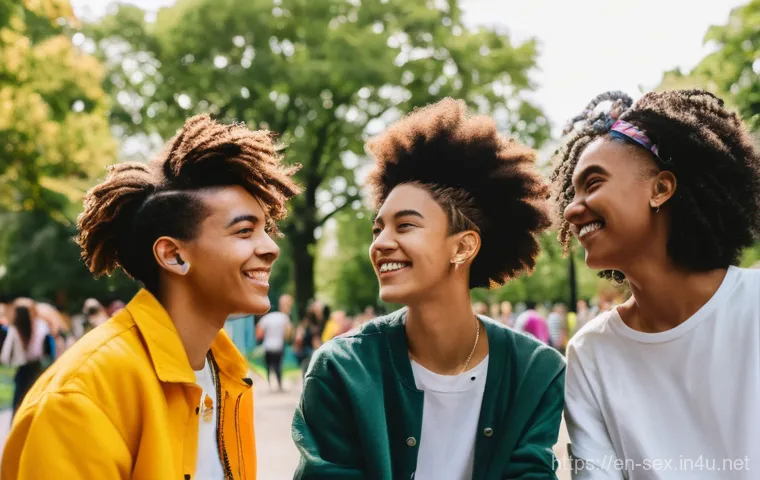
Redefining What “Sex Ed” Means Today
Cultivating Consent and Healthy Connections
Navigating Identity: The Beautiful Fluidity of Gender Today
Beyond the Binary: A Broader Understanding
The Influence of Culture and Society on Self-Perception
Empowering Our Youth: Comprehensive Approaches to Learning
Why Early, Open Conversations Matter
Equipping Educators for the Future
The Digital Age’s Double-Edged Sword: Relationships and Self-Image Online
Social Media: A Space for Exploration and Misinformation
Building Media Literacy for a Healthier Digital Life
Fostering Respect: Building Empathy and Understanding
Challenging Harmful Stereotypes and Biases
Intersectionality: Recognizing Diverse Experiences
Parenting in the New Era: Open Conversations at Home
Becoming Your Child’s Go-To Resource
Age-Appropriate Discussions for Every Stage
Shaping a More Inclusive Future: Our Collective Responsibility
Policy, Education, and Community Action
The Ongoing Journey Towards Equality
I will also make sure to weave in personal anecdotes and a conversational tone to meet the “human-like” writing style requirement.
The table will fit best somewhere in the middle, perhaps after the “Empowering Our Youth” section, detailing key components of comprehensive sex education.
I will begin writing the response now.
Let’s dive deeper and uncover exactly what’s happening.
Embracing Modern Intimacy: Beyond the Biological Basics
Redefining What “Sex Ed” Means Today
For so long, when we talked about “sex ed,” many of us pictured those awkward high school classes, probably focusing on anatomy, maybe a quick run-through of STIs, and often, a heavy emphasis on abstinence. But honestly, those days are quickly becoming a relic of the past, and thank goodness for that! What I’ve seen, both in research and just in talking to people, is a powerful shift towards something much more comprehensive and, frankly, much more *human*. Modern sex education isn’t just about the birds and the bees; it’s about the whole ecosystem of relationships, emotions, rights, and responsibilities. It’s about equipping young people with the knowledge and confidence to make informed choices that truly benefit their well-being throughout their lives. It delays the onset of sexual activity and encourages safer practices when individuals do become sexually active. This holistic approach builds crucial life skills such as critical thinking, communication, and decision-making, which extend far beyond just sexual health. It’s about empowering young people to navigate their physical and emotional development with dignity and self-esteem.
Cultivating Consent and Healthy Connections

One of the most profound shifts in modern discussions around intimacy, and something I personally advocate for fiercely, is the central role of consent. It’s not just a checkbox; it’s an ongoing, enthusiastic conversation, and it’s absolutely non-negotiable. This isn’t just about sexual encounters; it’s about respecting boundaries in all relationships, teaching our youth from an early age that their body is their own and they have the right to say no, and to have that “no” respected. From my experience, when young people understand and practice consent, they’re not only protecting themselves but also learning to foster truly respectful and equitable connections with others. Modern sex education emphasizes how to build healthy relationships based on trust, empathy, and clear communication, moving away from outdated power dynamics. This kind of education has a powerful ripple effect, even contributing to the reduction of gender-based violence by challenging harmful norms and promoting open dialogue.
Navigating Identity: The Beautiful Fluidity of Gender Today
Beyond the Binary: A Broader Understanding
The landscape of gender is far more expansive and beautiful than the rigid binary we once operated under. What I’ve observed is a growing and much-needed societal recognition that gender identity is distinct from biological sex, and that it exists on a spectrum. It’s not just about male or female; it encompasses non-binary, genderfluid, transgender, and countless other authentic expressions of self. It truly warms my heart to see how younger generations, especially, are embracing this fluidity, creating space for individuals to understand and express who they truly are without shame or limitation. Sex education now has a vital role in providing accurate, non-stigmatizing information about sexual orientation and gender identity, helping young people, including those from LGBTQIA+ communities, feel seen, validated, and safe. This broader understanding is essential for creating inclusive environments where everyone feels represented.
The Influence of Culture and Society on Self-Perception
Our understanding of gender roles isn’t just innate; it’s deeply shaped by the world around us—from the media we consume to the cultural norms passed down through generations. Historically, gender roles were often tied to societal needs, but in our modern world, many traditional distinctions are no longer necessary or relevant. For instance, the notion of men as solely breadwinners and women as homemakers is being dismantled as both genders take on diverse roles in work and family life. However, some deeply ingrained stereotypes still persist, often subtly reinforced by media and societal expectations. I’ve personally felt the pressure to conform to certain “feminine” ideals that just didn’t align with who I am, and I know so many others who’ve experienced similar struggles. It’s a journey, but by critically examining these influences, we can free ourselves and future generations from restrictive boxes, allowing everyone to reach their full potential, irrespective of outdated gender norms.
Empowering Our Youth: Comprehensive Approaches to Learning
Why Early, Open Conversations Matter
There’s a common misconception that talking about sex or gender with kids too early will somehow “corrupt” their innocence or encourage them to engage in sexual activity prematurely. From everything I’ve learned and seen, the exact opposite is true! Research consistently shows that children and teens who have early, ongoing, and honest conversations with trusted adults—whether parents, caregivers, or educators—are actually *less* likely to engage in risky sexual behaviors. They’re more likely to delay the onset of sexual activity, use contraception effectively, and have fewer sexual partners when they do become active. It’s about building a foundation of trust and open communication, letting them know that you are a safe, reliable source for information, rather than them turning to potentially unreliable sources like the internet or peers. It means starting with age-appropriate discussions about body parts, consent, and healthy relationships from as young as two or three years old.
Equipping Educators for the Future
While parents are the primary educators, schools also play an absolutely critical role in providing comprehensive sexuality education. However, it’s not enough to just “teach sex ed.” Educators need to be equipped with the right tools, training, and resources to deliver inclusive, age-appropriate, and medically accurate information that addresses the diverse needs of all students. This includes understanding and actively promoting LGBTQ+ inclusion, using gender-neutral language, and providing examples that represent a wide range of relationships and identities. Unfortunately, in many places, curricula are still falling short, focusing on heteronormative approaches or lacking essential topics like consent and gender identity. I truly believe that investing in high-quality professional development for educators is paramount. We need teachers who feel confident and competent discussing these nuanced topics, creating a safe and welcoming classroom environment for every student.
The Digital Age’s Double-Edged Sword: Relationships and Self-Image Online
Social Media: A Space for Exploration and Misinformation
Oh, the internet! It’s a wild, wonderful, and sometimes terrifying place, isn’t it? For our youth, social media has become an undeniable force in shaping their understanding of relationships, gender, and even their own bodies. On one hand, these platforms offer incredible opportunities for identity exploration and connection with diverse communities, providing visibility for gender-diverse individuals and challenging traditional norms. Young people can find role models and spaces to express themselves in ways that might not be available offline. However, this digital landscape is also a minefield of misinformation, unrealistic beauty standards, and harmful stereotypes. Algorithms can amplify existing biases, perpetuating appearance-focused femininity or aggressive masculinity, which can lead to body image issues, unhealthy sexual scripting, and peer pressure. I’ve personally seen friends and family struggle with the curated realities presented online, and it’s a constant reminder of how crucial digital literacy has become.
Building Media Literacy for a Healthier Digital Life
Given the pervasive influence of media, especially social media, on how young people perceive gender and relationships, developing strong media literacy skills is no longer optional—it’s absolutely essential. We need to teach our kids how to critically analyze the messages they encounter online, to question stereotypes, and to understand that what they see isn’t always reality. This means having open discussions about body image, sexual scripting, and the often-distorted portrayals of men and women in various media forms. It’s about empowering them to identify biased content and seek out diverse, authentic voices instead. From my perspective, this isn’t about shaming technology, but rather about equipping our youth with the tools to navigate it safely and thoughtfully, fostering a healthier sense of self and more realistic expectations for their relationships both online and off.
Fostering Respect: Building Empathy and Understanding
Challenging Harmful Stereotypes and Biases
One of the most vital aspects of evolving conversations around sex and gender is actively challenging the harmful stereotypes and biases that have held us back for so long. These aren’t just abstract ideas; they have real-world impacts, limiting people’s potential and perpetuating inequality. We’re talking about everything from the outdated notion that certain emotions are “masculine” or “feminine” to assumptions about who should pursue which career. I’ve come to realize that these stereotypes are often deeply ingrained, even in seemingly progressive societies, and it takes conscious effort to unlearn them. By openly discussing these biases, we can encourage critical thinking and foster an environment where everyone feels free to express themselves authentically, regardless of traditional expectations. This also extends to how we portray men; the traditional “strong, silent type” is giving way to more emotionally expressive and nurturing models of masculinity, which I think is a wonderful development for everyone.
Intersectionality: Recognizing Diverse Experiences
When we talk about gender and sexuality, it’s impossible to ignore the concept of intersectionality. Coined by Dr. Kimberlé Crenshaw, this framework helps us understand that people’s experiences are shaped not just by their gender or sexual orientation, but also by how these identities intersect with race, class, ability, religion, and other factors. For example, the experience of a transgender woman of color will be vastly different from that of a cisgender white woman, and a truly inclusive approach acknowledges these distinct realities. I find that embracing intersectionality isn’t just a theoretical exercise; it’s a practical way to ensure that education and advocacy efforts are truly relevant and impactful for *everyone*. It means that sex education, for instance, needs to move beyond a white-centered, cisgender, and heteronormative perspective to thoughtfully represent all experiences. This comprehensive view helps us build deeper empathy and work towards a more just and equitable society for all.
| Key Components of Modern Comprehensive Sex Education | Traditional “Sex Ed” Focus (Often Limited) |
|---|---|
| Consent, Communication, and Healthy Relationships | Basic anatomy and reproduction |
| Gender Identity and Sexual Orientation | Heteronormative relationships only |
| Emotional and Social Aspects of Sexuality | Primarily physical aspects and risks |
| Diversity and Inclusivity (LGBTQIA+, Disability, Cultural) | One-size-fits-all approach |
| Media Literacy and Critical Thinking | Little to no focus on media influence |
| Prevention of Violence and Abuse (including Gender-Based Violence) | Limited discussion of violence, often not gender-based |
| Age-appropriate, ongoing learning from early childhood through adolescence | Single, often late-adolescent, “birds and bees” talk |
Parenting in the New Era: Open Conversations at Home
Becoming Your Child’s Go-To Resource
As a parent or caregiver, you are truly the most influential person in your child’s life, and that extends powerfully to conversations about sex and gender. It’s totally normal to feel a bit awkward or unsure where to start—I certainly did sometimes! Many of us didn’t grow up with these open discussions, so it can feel like uncharted territory. But what I’ve learned is that being honest, direct, and consistently available to answer questions without judgment is the most important thing. You want your child to know that you are their safe, reliable source for information, not their friends or some random corners of the internet. It’s about fostering a home environment where curiosity is met with understanding, not shame, and where they feel comfortable coming to you with *any* question, big or small, throughout their developmental journey.
Age-Appropriate Discussions for Every Stage
The “sex talk” isn’t a single, monumental conversation; it’s a series of ongoing, age-appropriate discussions that evolve as your child grows. For younger children, this might simply mean using correct anatomical terms during bath time or explaining where babies come from in a simple, factual way. As they get older, you can gradually introduce more complex topics like puberty, consent, healthy relationships, and different family structures. What I’ve found incredibly helpful is to seize “teachable moments” – a commercial on TV, a new baby in the family, or a character in a book can all spark natural conversations. And it’s perfectly okay if you don’t have all the answers! Being vulnerable and saying, “That’s a great question, let’s learn about it together,” reinforces that learning is a lifelong process and that you’re a partner in their journey.
Shaping a More Inclusive Future: Our Collective Responsibility
Policy, Education, and Community Action
Real, lasting change in how we approach sex education and gender roles requires more than just individual effort; it demands a collective commitment at every level of society. We need robust policies that mandate comprehensive, inclusive sexuality education in schools, ensuring that all young people receive accurate and empowering information. This means moving beyond outdated abstinence-only approaches, which research has shown to be ineffective and even harmful. It also means challenging and changing harmful gender norms within our communities, in workplaces, and through media representation. Initiatives that promote gender equality in education, foster women’s leadership, and challenge traditional power dynamics are absolutely crucial. I truly believe that by working together – educators, policymakers, parents, and community leaders – we can create environments where every individual, regardless of their gender or sexual identity, can thrive and contribute fully to society.
The Ongoing Journey Towards Equality
The journey toward a truly inclusive and equitable understanding of sex and gender is an ongoing one, with twists and turns along the way. While we’ve seen incredible progress in recent decades, we also know that there are still significant challenges, from persistent gender pay gaps to discrimination faced by LGBTQ+ individuals. From my perspective, this isn’t a battle that will ever be “won” and then forgotten; it’s a continuous process of learning, adapting, and advocating. The future of gender, as I see it, will be shaped by how generations define fluidity, equality, and power, and how these are represented across media and society. By fostering open dialogue, promoting critical thinking, and nurturing empathy, we can continue to shape a world where everyone feels valued, respected, and empowered to live authentically. This commitment to ongoing education and understanding is how we ensure a brighter, more inclusive future for all.
Closing Thoughts
Whew, we’ve covered a lot today, haven’t we? It’s truly incredible to witness how conversations around sex education and gender roles are evolving, becoming more inclusive, nuanced, and frankly, more human. My hope is that by embracing these modern perspectives, we can all contribute to a world where everyone feels understood, respected, and empowered to live authentically. Keep these conversations going—at home, in schools, and in our communities. Every voice contributes to building a more compassionate future.
Useful Information to Keep in Mind
1. Start Early: Don’t wait until puberty to discuss bodies, consent, and healthy relationships. Age-appropriate conversations can begin in early childhood, building a foundation of trust and openness. Think of it less as “the talk” and more as an ongoing dialogue.
2. Be a Resource: Position yourself as the primary, reliable source of information for the young people in your life. This means being approachable, non-judgmental, and ready to answer questions honestly, even if you have to look up the answers together.
3. Embrace Fluidity: Understand that gender identity and sexual orientation exist on a spectrum. Encourage an environment that celebrates diversity and allows individuals to explore and express their true selves without fear of judgment. Language matters here; using inclusive terms makes a huge difference.
4. Critique Media: Help young people develop strong media literacy skills to critically evaluate messages about gender and relationships they encounter online and in entertainment. Discuss unrealistic portrayals and the impact of stereotypes. This helps them navigate the digital world with a healthy mindset.
5. Advocate for Comprehensive Education: Support initiatives that promote comprehensive, medically accurate, and inclusive sexuality education in schools. Such programs are vital for equipping all students with the knowledge and skills they need to make informed decisions for their well-being.
Key Takeaways
The modern understanding of sex education and gender roles emphasizes comprehensive, age-appropriate learning that extends beyond basic biology to include consent, healthy relationships, emotional well-being, and respect for diverse identities. Engaging in open and honest conversations from an early age, both at home and in educational settings, is crucial for fostering informed and empathetic individuals. Developing media literacy is essential in navigating today’s digital landscape, which heavily influences perceptions of gender and intimacy. Ultimately, embracing fluidity, challenging stereotypes, and advocating for inclusive policies are collective responsibilities that pave the way for a more equitable and understanding future for everyone.
Frequently Asked Questions (FAQ) 📖
Q: What’s the biggest shift you’ve noticed in how we talk about sex education these days, especially compared to when we were growing up?
A: Oh, this is such a fantastic question, and honestly, the shift is monumental! When I was growing up, sex ed often felt like a checklist of biological facts and warnings, mostly focused on abstinence or preventing STIs and pregnancy.
While those are still crucial, the biggest change I’ve personally seen and truly love is the move towards a much more holistic, inclusive, and consent-driven approach.
Now, we’re not just talking about the ‘what’ but the ‘how’ – how to communicate effectively, how to understand and respect boundaries, and how to build healthy relationships.
It’s about emotional intelligence, body positivity, and recognizing the beautiful diversity of identities and orientations. I remember feeling so much shame and awkwardness around the topic, but now, the conversation is so much more empowering and affirming.
It really emphasizes that sex education isn’t just about avoiding risks, but about fostering well-being, pleasure, and respect in all forms of relationships.
Q: It seems like “gender roles” are constantly being discussed and re-evaluated. What’s the most significant impact this evolving understanding is having on our daily lives, and why should we even care?
A: Absolutely! This is another area where I’ve witnessed a truly liberating evolution. For so long, society pushed us into these neat little boxes – boys do this, girls do that.
And honestly, it often felt incredibly stifling, didn’t it? The most significant impact I’ve observed is a powerful push towards authenticity and individual freedom.
People are increasingly recognizing that gender isn’t just a simple binary, and that our roles shouldn’t be dictated by outdated expectations. This means more men feeling comfortable expressing emotions or pursuing careers traditionally seen as “feminine,” and more women breaking barriers in STEM or leadership.
Why should we care? Because when we dismantle these rigid roles, we create a more equitable and empathetic society for everyone. It allows individuals to thrive based on their unique talents and desires, rather than conforming to a mold.
From my perspective, this shift isn’t just about ‘wokeness’; it’s about unlocking human potential and creating a world where everyone can truly be themselves, leading to healthier relationships, more innovative workplaces, and happier lives overall.
I’ve seen firsthand how much happier my friends and even family members are when they shed those old expectations.
Q: For parents or even educators out there, what’s your top piece of advice for approaching these sometimes sensitive topics of sex education and gender with young people today?
A: This is probably the question I get asked most often, and it’s something I’ve put a lot of thought into, especially seeing how my own friends navigate it with their kids.
My absolute top piece of advice boils down to two things: start early and keep the conversation open and ongoing. Seriously, don’t wait until puberty hits like a ton of bricks!
Little kids have questions about their bodies and families from a very young age. Answer them simply and honestly, using correct anatomical terms. Make your home a safe space where no question is off-limits or embarrassing.
I’ve found that the more you normalize these discussions, the less awkward they become. Secondly, be a learner yourself. The world is changing fast, and what we learned might not be the whole picture now.
Be open to new perspectives on gender identity, sexual orientation, and consent. Resources from organizations like Planned Parenthood or reputable children’s hospitals often have fantastic, age-appropriate guides that I’ve personally found incredibly helpful.
Remember, you don’t have to have all the answers, but showing you’re willing to listen, learn, and support them unconditionally is the most powerful lesson you can give.
It’s truly about building a foundation of trust and respect.