Hey incredible people! Let’s talk about something that’s genuinely crucial for every single one of us, yet sometimes gets sidelined or delivered in ways that, let’s be honest, don’t always hit the mark: effective sex education.
I’ve spent so much time thinking about how we can transform these vital discussions from being awkward or outdated into truly empowering, relevant, and life-changing experiences.
From navigating sensitive topics with a confident approach to ensuring inclusivity for every single learner, there’s a real art and a science to crafting a sex education lecture that truly resonates with today’s youth and adults alike.
My own journey, both as a learner and now as someone passionate about this field, has shown me the incredible impact a well-planned session can have. We’re talking about fostering understanding, respect, and personal agency, not just reciting facts.
If you’re passionate about making a real, tangible difference and want to design a sex education program that truly prepares people for the complexities of modern relationships and their own bodies, you are absolutely in the right place.
Let’s dive in and precisely discover how to plan a sex education lecture that truly leaves a powerful, positive, and lasting impression!
Crafting a Curriculum That Truly Connects

Understanding Your Audience’s Needs
When I first started getting involved in discussions around sex education, one of the biggest eye-openers for me was realizing that a one-size-fits-all approach just doesn’t cut it.
Seriously, trying to deliver the same old lecture to a group of teenagers as you would to, say, young adults navigating new relationships, is a recipe for disaster.
The key, I’ve learned through my own experiences and countless conversations, is to genuinely understand who you’re talking to. What are their existing knowledge gaps?
What are their burning questions – the ones they might be too shy to ask in public? What are the specific challenges and pressures they’re facing in their lives right now?
For example, the concerns of a high schooler in a rural American town about contraception might be vastly different from a university student in a bustling UK city dealing with consent culture on campus.
I always start by trying to gather informal feedback, perhaps through anonymous polls or suggestion boxes, even before the session begins. This isn’t just about ticking boxes; it’s about building empathy and ensuring that every single piece of information you share feels relevant and valuable to them.
When you hit that sweet spot, you can practically see the lightbulbs going off.
Designing Relevant and Engaging Content
Once you’ve got a handle on your audience, the real fun begins: designing content that not only educates but also truly engages. Forget the dry, textbook-style delivery.
My personal philosophy? Make it memorable, make it interactive, and make it real. I’ve found that incorporating current events, pop culture references (where appropriate and not cringey!), and even anonymized scenarios based on real-life questions can dramatically boost engagement.
Instead of just listing STIs, for instance, we might discuss a recent public health campaign about prevention, or look at how media portrays healthy relationships versus toxic ones.
And please, for the love of all that is good, ditch the outdated visual aids! Modern, diverse, and inclusive imagery and videos are crucial. I remember one session where we used short, animated clips to explain complex anatomical concepts, and the feedback was incredible – people felt so much more comfortable and informed than with static diagrams.
It’s all about creating an atmosphere where learning feels exciting, not like a chore.
Making It Real: Integrating Personal Stories and Relatability
Sharing Authentic Experiences (Responsibly!)
This is where the ‘human’ element truly shines, and it’s something I’ve personally found to be incredibly powerful. While I’m not advocating for oversharing every detail of your life, strategically and responsibly sharing anonymized anecdotes or general experiences can create an immediate connection with your audience.
Think about those moments when you learned something crucial yourself, perhaps through a mistake or a moment of clarity. For instance, I might talk about a time I felt confused about dating apps and healthy communication, without going into specific dates or individuals.
It’s about demonstrating that these topics aren’t just academic – they’re part of the messy, wonderful, and sometimes confusing fabric of human experience.
When I’ve done this, I’ve seen a palpable shift in the room; defenses drop, and people realize, “Oh, this isn’t just some expert talking at me, this is someone who gets it.” It builds a bridge of understanding that textbook facts alone simply can’t.
Of course, the key is to ensure these stories always serve a clear educational purpose and never make anyone in the audience feel uncomfortable or exposed.
Using Real-World Scenarios and Case Studies
Beyond personal anecdotes, grounding your sex education in real-world scenarios and case studies is a game-changer. This moves the discussion from abstract concepts to practical application, helping people envision how they might navigate similar situations themselves.
Instead of just defining “consent,” for example, we might explore hypothetical scenarios: “What if someone is intoxicated at a party?” or “How do you respond when your partner changes their mind mid-act?” Role-playing, discussions about current news stories (again, carefully selected and anonymized if necessary), or even ethical dilemmas can spark incredibly rich conversations.
I often pose questions like, “Imagine your friend is in this situation – what advice would you give them and why?” This approach not only makes the content more memorable but also equips individuals with critical thinking skills and practical strategies they can actually use in their lives.
It’s about empowering them to make informed decisions, not just giving them a list of rules to follow.
Beyond the Basics: Addressing Diverse Needs and Inclusivity
Creating a Safe Space for All Identities
One of the most profound lessons I’ve learned is that effective sex education must be profoundly inclusive. When I started out, I probably, like many, thought primarily in binary terms.
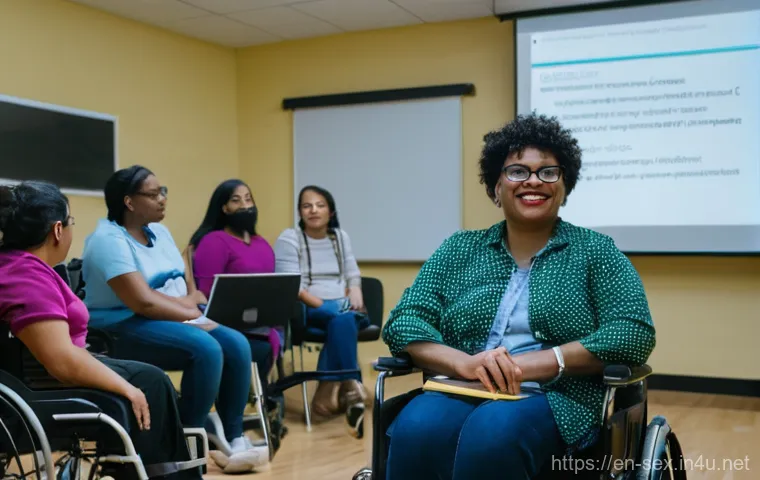
But the world, and our understanding of human sexuality and gender, is so much richer and more complex. Creating a truly safe space means acknowledging and affirming *all* identities and experiences – LGBTQ+ individuals, people with disabilities, different cultural backgrounds, and varying relationship structures.
This isn’t just about using the right pronouns or buzzwords; it’s about fundamentally integrating these perspectives into the curriculum. It means ensuring examples aren’t heteronormative by default and actively inviting questions and discussions that cater to diverse experiences.
I’ve personally seen the relief on someone’s face when they realize a sex education session is truly for *them*, not just ‘everyone else.’ It’s transformative for their sense of belonging and their willingness to engage with the material.
This commitment to inclusivity isn’t an add-on; it’s the very foundation of impactful sex education.
Tailoring Content for Different Age Groups and Backgrounds
Just as we wouldn’t teach advanced calculus to elementary schoolers, sex education needs to be meticulously tailored to the developmental stage and background of the audience.
What’s appropriate and comprehensible for a middle schooler discussing puberty is vastly different from a college student exploring sexual health in the context of long-term relationships or family planning.
My approach is to always scale the depth and complexity of the information, as well as the language used. For younger audiences, it might be more about body autonomy and healthy friendships; for older groups, it could delve into nuanced discussions of sexual agency, reproductive rights, and consent within committed partnerships.
Culturally, too, what resonates in one community might be approached differently in another. For instance, discussions around traditional family values might require a more sensitive framing in some groups than others.
It’s about being flexible, adaptable, and respectful of the context in which you are teaching, always aiming to empower rather than impose.
| Key Component | Description and Importance |
|---|---|
| Age-Appropriate Content | Ensuring information is relevant and understandable for the specific developmental stage of the audience, from puberty education to advanced consent discussions. |
| Inclusivity & Diversity | Addressing the needs of all identities including LGBTQ+ individuals, various cultural backgrounds, and different abilities to create a universally safe and relevant learning environment. |
| Interactive Learning | Moving beyond lectures to incorporate discussions, Q&A, role-playing, and real-life scenarios to foster engagement and critical thinking. |
| Evidence-Based Information | Presenting accurate, scientifically sound facts about anatomy, reproduction, contraception, STI prevention, and sexual health. |
| Life Skills Focus | Teaching communication, decision-making, boundary setting, and consent negotiation skills crucial for healthy relationships and personal safety. |
| Emotional Well-being | Integrating discussions about self-esteem, body image, healthy relationships, and emotional aspects of sexuality. |
Interactive Engagement: Keeping Everyone Tuned In
Harnessing the Power of Q&A Sessions
Let’s be real: no one wants to sit through a monologue, especially when the topic is as sensitive and personal as sex education. This is why I’m a massive advocate for open, honest, and *well-managed* Q&A sessions.
It’s during these moments that the real learning often happens because people get to ask the questions that are genuinely on their minds, not just what I *think* they should know.
My trick? I often start with anonymous question boxes or online submission tools. This lowers the barrier for shyer participants and ensures we get to address a broader range of concerns, from the seemingly silly to the deeply serious.
I’ve learned that acknowledging every question, even if it’s “outside the scope,” and redirecting gently if needed, builds immense trust. There’s a real art to facilitating these without letting them derail the session or become uncomfortable for anyone.
It’s about creating a safe psychological space where curiosity is encouraged and judgment is absent. When done right, it makes the audience feel heard, valued, and genuinely part of the learning process.
Dynamic Activities and Discussions
Beyond Q&A, incorporating dynamic activities and small group discussions can elevate a good session to a great one. I’ve experimented with everything from “agree/disagree” spectrum activities where people physically move to express their opinions, to case study analysis in small breakout groups.
For instance, I might present a common dating dilemma and ask groups to brainstorm healthy communication strategies. Or, for younger audiences, we might use creative arts like drawing or writing short scenarios to explore emotions related to friendships and boundaries.
The energy in the room shifts completely when people are actively doing something, talking to each other, and wrestling with ideas themselves, rather than just passively receiving information.
This active learning approach not only boosts retention but also allows individuals to practice applying concepts in a low-stakes environment. It fosters critical thinking and social skills, which are, let’s be honest, just as important as knowing the facts.
These kinds of activities are where the real-world impact starts to form, right there in the room.
The Art of Facilitation: Building Trust and Open Dialogue
Establishing Ground Rules and Mutual Respect
From my perspective, the success of any sex education lecture hinges heavily on the atmosphere you create. It’s not just about what you say, but how you make people *feel*.
The absolute first thing I do, without fail, is establish clear ground rules. This isn’t about being authoritarian; it’s about setting a foundation of mutual respect and psychological safety.
We talk about things like “listening to understand, not just to respond,” “using respectful language,” and “what is said here, stays here” (within ethical boundaries, of course).
I always emphasize that it’s okay not to know everything, that questions are encouraged, and that everyone’s experiences and perspectives are valuable.
I’ve found that when participants feel truly safe and respected, they open up in ways they never would in a more rigid environment. It’s about setting the stage for genuine dialogue rather than a performance.
This trust is something you build moment by moment, through your tone, your responsiveness, and your unwavering commitment to making everyone feel seen and heard.
Responding to Challenging Questions with Grace
Let’s face it, in sex education, you’re bound to get some challenging questions – whether they’re awkward, deeply personal, misinformed, or even confrontational.
This is where your facilitation skills are truly tested. My strategy is always to respond with grace, empathy, and a steadfast commitment to accurate information.
If someone asks a question rooted in misinformation, I don’t shame them; instead, I gently correct the misconception with factual data and perhaps explain *why* that misconception might exist.
For highly personal questions, I might validate their experience and then broaden the answer to a general principle that applies to everyone, without putting them on the spot.
And for those truly uncomfortable, perhaps even offensive questions, I’ve learned to pause, take a breath, and reframe the underlying need or concern behind the question, always steering back to the core principles of respect, consent, and health.
It’s about de-escalating tension, providing clarity, and always maintaining the integrity of the learning environment. It’s a skill that definitely gets sharper with practice!
Measuring Impact: How Do We Know It’s Working?
Gathering Feedback and Refining Your Approach
After putting so much heart and effort into planning and delivering a sex education session, the natural question is, “Did it actually make a difference?” For me, gathering feedback isn’t just a formality; it’s an indispensable tool for growth and improvement.
I usually hand out anonymous feedback forms immediately after a session, asking questions like: “What was the most valuable thing you learned?”, “What topics would you like to explore further?”, and “Did you feel comfortable asking questions?” Sometimes I include a simple Likert scale for engagement and relevance.
What I’ve personally discovered is that some of the most critical insights come from the “open comments” section. People might suggest a different approach to a sensitive topic or highlight an area I completely overlooked.
I take every piece of feedback seriously, even the difficult ones, and use it to tweak my materials, refine my delivery, and ensure future sessions are even more impactful.
It’s an iterative process, and honestly, it’s what keeps my content fresh and genuinely responsive to the needs of the community.
Long-Term Outcomes and Community Partnerships
While immediate feedback is crucial, truly understanding the impact of sex education often requires looking at longer-term outcomes. This can be trickier, of course, but it’s something I actively strive for by seeking out community partnerships.
For example, collaborating with local health clinics, youth centers, or school counselors can provide insights into whether participants are actually applying the knowledge they gained – perhaps by accessing resources, seeking further advice, or making healthier choices.
Maybe it’s observing a measurable reduction in certain types of risky behaviors within a specific demographic over time, or an increase in reported healthy relationship dynamics.
It’s about building a network where sex education isn’t just a one-off event but part of a larger, ongoing community effort to promote well-being. I believe that true success isn’t just about imparting facts, but about fostering a culture of openness, respect, and informed decision-making that extends far beyond the lecture hall.
When we work together, the ripple effect of effective sex education can be truly astonishing.
Navigating the Tough Stuff: Sensitive Topics with Confidence
Preparing for Difficult Conversations
Let’s be honest, there are certain topics within sex education that can make even the most seasoned educator pause. Things like sexual violence, abuse, reproductive choices, or highly personal experiences can be incredibly heavy.
My strategy for navigating these “tough talks” is always rooted in thorough preparation and self-awareness. I make sure I’ve done my homework on the latest research and best practices for discussing these subjects ethically and sensitively.
More importantly, I think through how I *personally* feel about these topics and anticipate potential emotional triggers, both for myself and the audience.
Having clear referral pathways to professional support services (like local crisis hotlines or mental health resources) is absolutely non-negotiable. I even mentally rehearse how I might respond to a deeply emotional question, ensuring I can offer compassion and validation without overstepping my role.
This isn’t about having all the answers, but about being prepared to create a supportive environment where difficult truths can be acknowledged and discussed safely.
Resources for Continued Learning and Support
Finally, a truly impactful sex education lecture doesn’t end when the bell rings or the Zoom call disconnects. It should empower people to continue their learning journey and know where to turn for support.
I always dedicate a significant portion of my closing remarks to sharing a curated list of reliable resources. This includes links to reputable health organizations, local counseling services, helplines, books, and even other trusted online platforms.
I make sure these resources are diverse and cater to different needs and identities. For instance, I’ll recommend websites specifically for LGBTQ+ youth, or organizations focused on sexual assault prevention.
The goal is to equip participants with the tools and confidence to seek further information or assistance when they need it. I often say, “This session is just the beginning of your journey – keep asking questions, keep learning, and know that there’s always support out there.” It’s about fostering a lifelong commitment to sexual health and well-being, long after they’ve left your session.
Wrapping Things Up
Well, we’ve covered quite a bit today, haven’t we? From tailoring our content to understanding the profound impact of fostering an inclusive environment, it’s clear that effective sex education is so much more than just a dry recitation of facts. It’s about building bridges of understanding, empowering individuals with essential life skills, and creating spaces where every question is valued and every person feels seen. I genuinely hope that sharing my insights and experiences has given you some fresh perspectives or perhaps even sparked new ideas for how you approach these crucial conversations. Remember, the goal isn’t just to inform, but to inspire confidence and agency in everyone we reach.
Useful Information to Know
1. Prioritize Authenticity: Always strive to speak from a place of genuine care and experience. People can sense sincerity, and it makes all the difference in connecting on sensitive topics. Don’t be afraid to share anonymized, relevant anecdotes that illustrate a point. It makes the content far more relatable and memorable for your audience.
2. Engage, Don’t Just Lecture: Passive learning rarely sticks. Incorporate interactive elements like Q&A, small group discussions, or even anonymous polls. This isn’t just about breaking up the monotony; it’s about actively involving your audience in their own learning process, making it a truly collaborative experience.
3. Champion Inclusivity: The world is wonderfully diverse. Ensure your language, examples, and resources are inclusive of all identities, sexual orientations, gender expressions, and cultural backgrounds. A truly safe space is one where everyone feels represented and validated, not just tolerated. This requires continuous learning and self-reflection on our part as educators.
4. Equip with Resources: Your session might be just one step in someone’s journey. Always provide a curated list of reliable, diverse, and accessible resources for further learning, support, and professional help. Think local clinics, mental health services, trusted websites, and helplines. It empowers individuals to continue making informed choices long after they leave your presence.
5. Seek and Utilize Feedback: Don’t guess if you’re making an impact – ask! Regular feedback, even through simple anonymous surveys, is invaluable. It helps you understand what resonated, what needs improvement, and what new topics your audience is eager to explore. This iterative approach ensures your content remains fresh, relevant, and truly serves the community you’re trying to reach.
Key Takeaways
Ultimately, impactful sex education boils down to empathy, accuracy, and active engagement. It’s about creating a safe, inclusive environment where tough questions are met with grace and genuine support. By focusing on real-world scenarios, fostering open dialogue, and continually refining our approach based on feedback, we can move beyond mere information delivery to truly empower individuals with the knowledge and confidence to lead healthy, respectful, and fulfilling lives. Remember, every conversation contributes to a more informed and compassionate community.
Frequently Asked Questions (FAQ) 📖
Q: How can I make my sex education lectures genuinely engaging and prevent that awkward silence we all dread?
A: Oh, the dreaded awkward silence! I’ve been there, trust me. When I first started out, I thought just rattling off facts would do the trick, but boy, was I wrong.
What I’ve learned, through countless sessions and honest feedback, is that engagement isn’t about being perfectly polished; it’s about being genuinely human and making the content relatable.
You want to spark curiosity, not discomfort. My absolute go-to is interactive methods. Forget the old-school, lecture-heavy approach.
Instead, try things like role-playing scenarios – not cheesy ones, but realistic situations where people can practice communication skills around consent or setting boundaries.
Think about it: how many times have we wished we knew exactly what to say in a tricky situation? This gives them that chance! Group discussions are also golden.
Break people into smaller units, give them a prompt about a common misconception or a real-world dilemma, and let them talk. You’ll be amazed at the insights that emerge when people feel safe enough to share.
And don’t shy away from technology! Short, impactful videos can illustrate points powerfully, and anonymous Q&A tools are a game-changer. I personally love using an anonymous question box (digital or physical!) because it allows those sensitive, “Am I the only one who thinks this?” questions to come forward without any fear of judgment.
It’s a wonderful way to surface unspoken concerns and truly address what’s on people’s minds. And a little humor, used appropriately, can totally disarm tension.
It’s about creating a space where learning feels like a conversation among trusted friends, not a stiff classroom lesson. I’ve seen firsthand how these methods don’t just increase participation; they deepen understanding and make the information stick!
Q: What are the absolute must-haves for a modern, effective sex education lecture today? What topics can we just not skip?
A: This is such a critical question, and frankly, the landscape of “must-haves” has evolved so much since I was in school! It’s not just about the birds and the bees anymore; it’s about empowering individuals to navigate their lives with respect, agency, and confidence.
From my experience, a modern, truly effective sex education lecture must be comprehensive. First and foremost, consent is non-negotiable. We’re talking enthusiastic, ongoing, and reversible consent.
It’s more than just “no means no”; it’s about an active, freely given “yes” – and understanding that “yes” can be withdrawn at any point. I always make sure to include real-life examples and even practice scenarios where participants can learn to both give and receive consent, as well as gracefully accept a “no.”Beyond consent, we absolutely cannot skip healthy relationships.
This isn’t just romantic relationships; it’s about friendships, family dynamics, and self-respect too. We delve into communication skills – how to express needs, listen actively, and manage conflict constructively.
Then there’s bodily autonomy: understanding that your body is yours, and you have the right to make decisions about it, free from pressure or coercion.
Crucially, diversity and inclusivity in all forms need to be woven throughout. This means covering sexual orientation, gender identity, and various family structures, ensuring everyone feels seen and validated.
Finally, the practical stuff like STIs, contraception, and pregnancy is still incredibly important, but presented through a lens of informed choice and personal responsibility, not fear.
We also have to address the digital world – online safety, sexting, and the impact of social media on body image and relationships. My goal, and what I believe is truly effective, is to equip people with the knowledge, skills, and confidence to make informed choices, advocate for themselves and others, and foster respectful, fulfilling connections.
It’s about preparing them for the complexities of modern life, not just the biological facts.
Q: How do you ensure your sex education talks are truly inclusive and sensitive to everyone in the room, no matter their background or identity?
A: This is probably the area I’m most passionate about, because for sex education to be truly impactful, every single person in the room needs to feel safe, respected, and represented.
It breaks my heart to think of anyone feeling alienated or invisible during such a crucial conversation. My approach is built on a few core pillars. First, representation matters immensely.
When I’m planning visuals, examples, or case studies, I intentionally include diverse relationships – same-sex couples, trans individuals, people of different races and body types, and even those with disabilities.
It’s about showing the beautiful spectrum of human experience, not just focusing on a narrow, traditional view. I also actively use language that’s inclusive, like “people with a penis” or “people who can get pregnant” instead of gendered terms, because frankly, bodies are diverse and not everyone’s anatomy aligns with traditional gender definitions.
Second, I believe in creating a brave space, not just a “safe space.” Safety is paramount, but “brave” acknowledges that these conversations can be challenging, and it takes courage to ask questions or share experiences.
We set ground rules together from the start: respecting different viewpoints, maintaining confidentiality, and approaching discussions with curiosity, not judgment.
I always make it clear that it’s okay not to know everything, and it’s okay to ask “dumb” questions – because often, those are the ones everyone else is wondering too!
I also reflect on my own biases before every session. We all have them, and acknowledging them helps me ensure I’m delivering information neutrally and empathetically.
Finally, I encourage open dialogue about cultural and individual values. Sex is deeply personal and often tied to cultural or religious beliefs. Instead of dismissing these, we discuss the range of values people hold, emphasizing universal values like respect, communication, and bodily autonomy.
This isn’t about telling anyone what to believe, but about providing comprehensive, medically accurate information that empowers them to make choices aligned with their own values.
It’s a lot of intentional effort, but seeing a room full of diverse individuals engaging, learning, and feeling validated? That’s the most rewarding part of this work.